Back To Blog
Office Cleaning
How to Create an Office Cleaning Schedule That Actually Works
17 February 2026 Rickus.Jansen
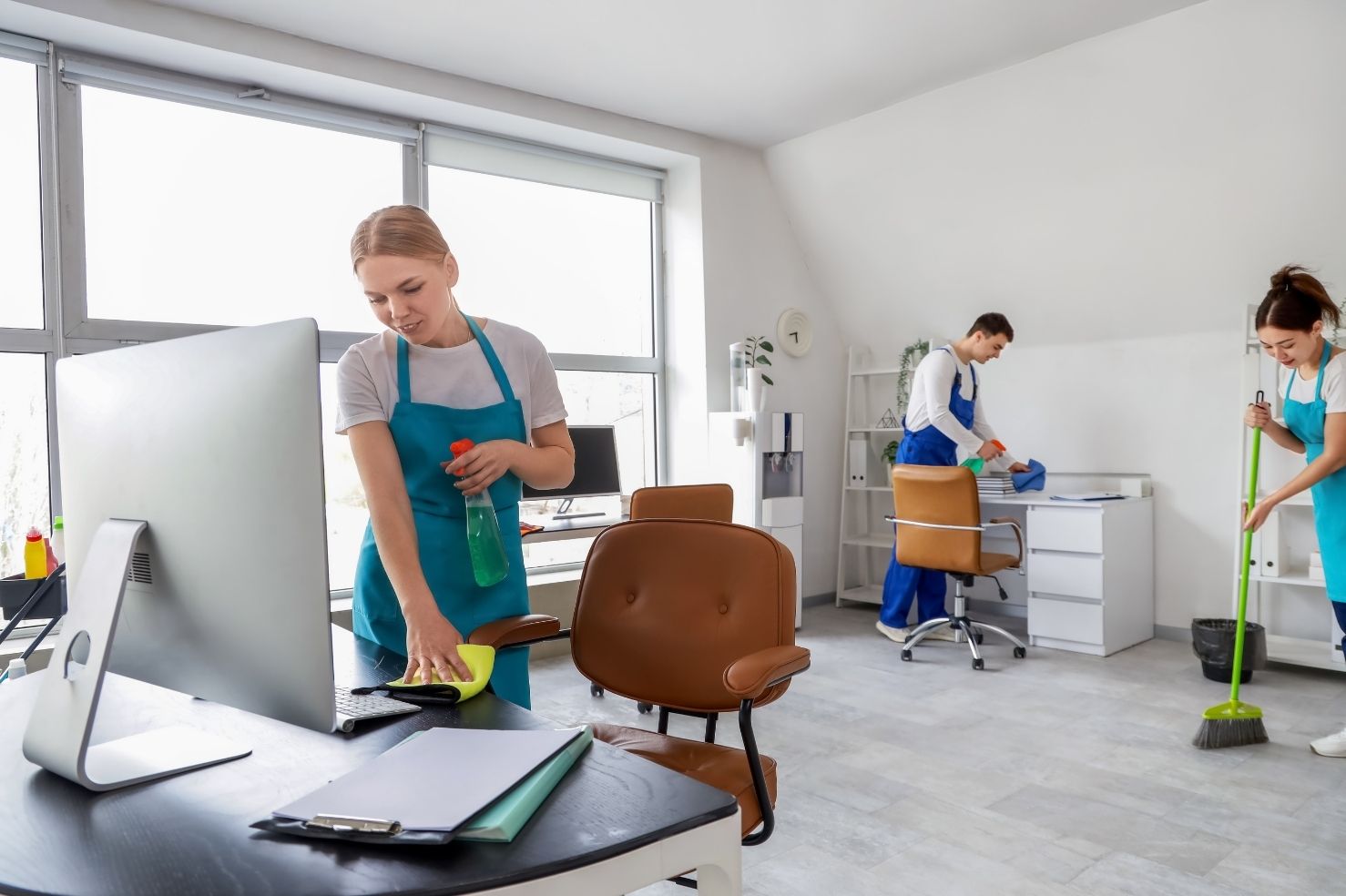
A well-structured office cleaning schedule is essential for maintaining a safe, hygienic, and productive working environment. Yet many offices rely on informal routines that lead to missed tasks, inconsistent standards, and avoidable complaints.
Whether you manage a small office or oversee multiple sites, this guide explains how to build a practical cleaning system that works - including daily, weekly and monthly task planning, how to create an office cleaning roster, and how to track performance with a cleaning log.
Why Every Office Needs a Structured Cleaning Schedule
Without a documented cleaning checklist for office spaces, standards quickly drop. High-touch surfaces are overlooked, washrooms deteriorate, and shared areas become breeding grounds for bacteria. A proper facility cleaning schedule helps you:- Maintain hygiene and compliance standards
- Reduce employee sickness and absenteeism
- Improve workplace presentation for visitors
- Ensure accountability from in-house or outsourced cleaners
- Plan resources and supplies efficiently
What Should Be Included in a Daily Office Cleaning Schedule?
Daily office cleaning should focus on hygiene-critical, high-traffic and high-touch areas to prevent bacteria build-up and maintain a consistently professional appearance. In reception and shared areas, desks and counters should be wiped down, door handles and light switches sanitised, carpets vacuumed, and bins emptied with fresh liners fitted. Workstations should be cleaned in line with your clear desk policy, with particular attention given to disinfecting telephones, keyboards and shared equipment. Kitchen areas require thorough sanitising of worktops, tables, sinks and taps, along with wiping appliance exteriors and removing food waste. Washrooms must be fully cleaned and disinfected, including toilets, urinals, basins and floors, with consumables replenished and mirrors polished. A structured daily office cleaning routine ensures hygiene standards remain consistent and prevents larger issues from developing over time.Weekly Office Cleaning Tasks
Weekly cleaning tasks address areas that do not require daily attention but significantly impact overall cleanliness and presentation. This typically includes deep vacuuming carpets, particularly along edges and corners where dust accumulates, and thoroughly mopping hard floors to remove ingrained dirt. Internal glass and partition panels should be cleaned to maintain a bright and professional appearance. Doors, frames, skirting boards and ledges should be dusted and wiped down, while kitchen facilities benefit from descaling sinks and taps and sanitising the interior of microwaves and refrigerators. Incorporating these responsibilities into your office cleaning roster ensures standards remain high throughout the premises without overloading daily routines.Monthly & Periodic Cleaning Tasks
Monthly or periodic cleaning is essential for protecting long-term hygiene standards and preserving the condition of your workplace. These tasks often include carpet deep cleaning or extraction to remove embedded dirt, upholstery cleaning to maintain soft furnishings, and high-level dusting of vents, light fittings and difficult-to-reach areas. Internal window cleaning improves natural light and overall presentation, while hard floors may require machine scrubbing or polishing to maintain their finish. Washrooms benefit from deeper descaling treatments, and IT equipment should be carefully dusted to prevent overheating and damage. Larger premises often rely on professional commercial cleaning teams to complete these specialist tasks safely and efficiently as part of a comprehensive facility cleaning schedule.How to Create an Office Cleaning Roster
An effective office cleaning roster clearly defines responsibilities and ensures accountability across your workplace. It should outline what needs cleaning, how frequently it should be completed, who is responsible for each task, and when it must be carried out. To create one:- List every area within the building, including shared and low-traffic spaces.
- Break tasks down into daily, weekly and monthly categories.
- Assign responsibility to specific team members or your cleaning provider.
- Set realistic completion timeframes.
- Make the roster accessible, either displayed on-site or managed digitally.
Why You Should Use an Office Cleaning Log
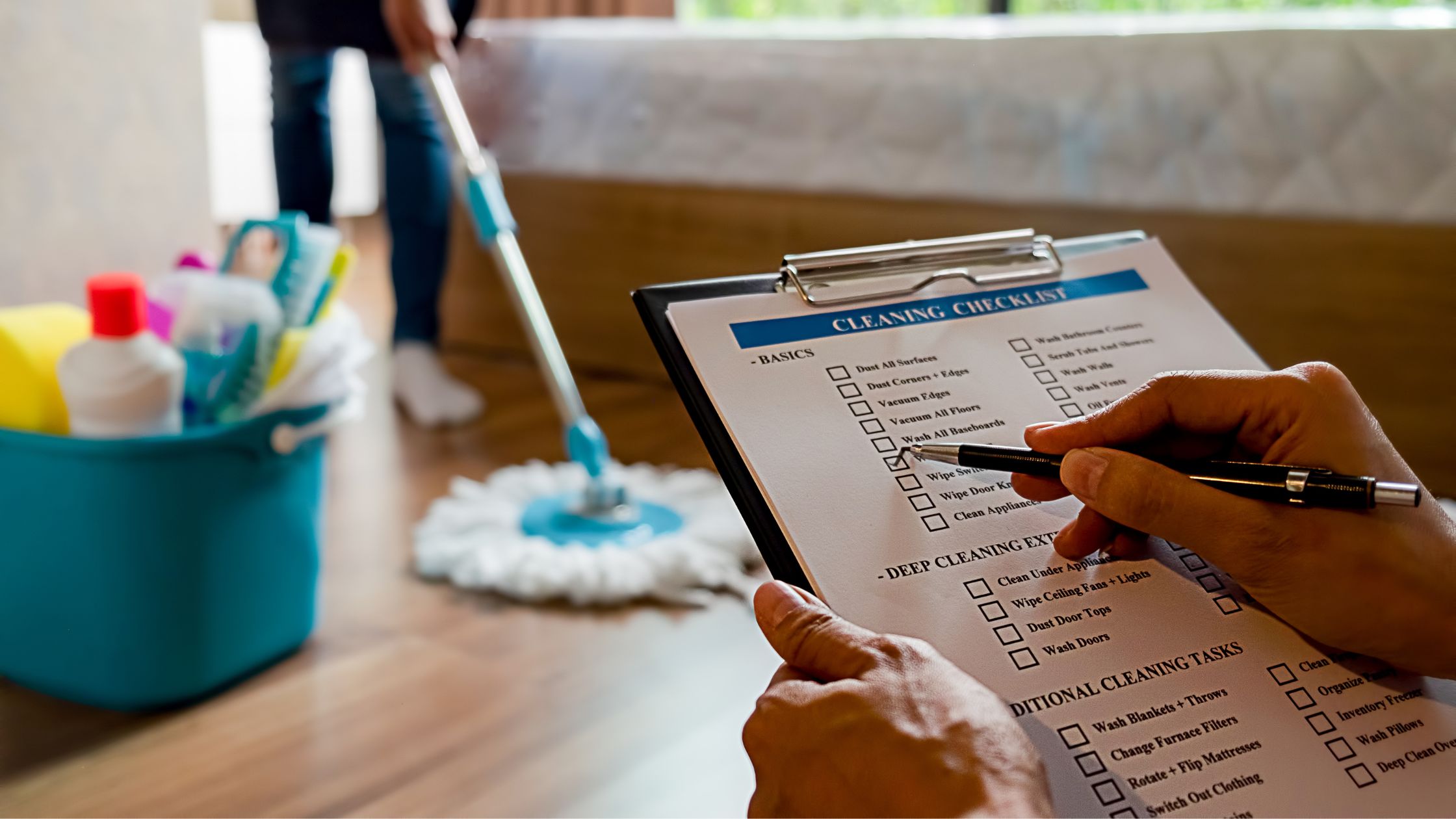
An office cleaning schedule provides structure, but a cleaning log provides proof. An office cleaning log records when tasks have been completed, who carried them out and whether any issues were identified. This can be maintained digitally or on paper, depending on the size of your operation. Recording dates, completed tasks and cleaner signatures creates transparency and encourages accountability. In regulated sectors, a documented cleaning log also demonstrates due diligence during audits or inspections. Over time, it can highlight recurring issues, identify areas requiring additional attention and provide reassurance that your daily office cleaning standards are being upheld.How to Audit Your Office Cleaning Schedule
Regular auditing ensures your cleaning checklist for office premises remains effective and aligned with operational needs. This may involve conducting monthly walk-through inspections, reviewing completion rates within your cleaning log and gathering feedback from employees. Monitoring supply usage can also reveal whether tasks are being completed correctly, while reviewing sickness trends may highlight hygiene gaps. If standards begin to slip, the cause is often linked to insufficient cleaning frequency, inadequate supervision, unclear responsibilities or unrealistic workload allocation. Periodic reviews allow you to adjust your office cleaning schedule proactively rather than reacting to complaints or compliance issues.Should You Manage Cleaning In-House or Outsource It?
Deciding whether to manage cleaning internally or outsource it depends on resources, oversight capacity and business priorities. In-house teams offer direct control but require recruitment, training, supervision, holiday cover management and supply procurement. Outsourced commercial cleaning providers typically deliver structured office cleaning schedules, trained operatives, quality control processes and management oversight as part of the contract. This reduces administrative burden while improving consistency and accountability. For growing organisations, outsourcing often provides greater reliability and flexibility, ensuring that cleaning standards remain professional without diverting focus from core business operations.Downloadable Office Cleaning Schedule Template
If you’re creating your own system, your template should include: Daily Section- High-touch disinfection
- Washroom cleaning
- Kitchen sanitation
- Waste disposal
- Glass cleaning
- Detailed floor care
- Dusting
- Appliance deep cleaning
- Carpet treatment
- Upholstery cleaning
- High-level dusting
- Deep sanitisation
Need Help Implementing a Professional Office Cleaning Schedule?
At Hashtag Clean, we provide structured and fully managed office cleaning services across Surrey, Sussex and Kent. Every contract includes:- A tailored office cleaning schedule
- Clear task allocation
- Quality control checks
- Dedicated account support
- Flexible cleaning frequencies