When it comes to cleanliness, no environment carries higher stakes than a healthcare setting. Whether it’s a GP surgery, dental practice, physiotherapy clinic, or private hospital, the standard of cleaning directly impacts patient safety, staff wellbeing, and regulatory compliance.
Unlike a commercial office or retail space, a poorly cleaned healthcare environment isn’t simply unpleasant — it can contribute to the spread of infection, put vulnerable patients at risk, and expose a practice to serious regulatory consequences.
This guide covers why professional healthcare cleaning is essential, what it involves, and what to look for when choosing a specialist cleaning provider.
The Real Cost of Inadequate Healthcare Cleaning
Healthcare settings present a unique set of challenges that go far beyond the scope of a standard commercial clean. Waiting rooms, treatment areas, and clinical spaces harbour a range of pathogens — including bacteria, viruses, and fungi — that require targeted disinfection protocols, not simply a wipe-down and a vacuum.
The risks of inadequate cleaning in healthcare environments include healthcare-associated infections (HCAIs), cross-contamination between clinical and non-clinical areas, failure to meet Care Quality Commission (CQC) standards, and reputational damage that directly affects patient trust.
Professional healthcare cleaning uses hospital-grade disinfectants, colour-coded equipment to prevent cross-contamination, and trained staff who understand the specific requirements of clinical environments. This is a specialist discipline — and it should be treated as one.
What Healthcare Cleaning Standards Require in the UK
In the UK, healthcare cleaning standards are guided by the National Standards of Healthcare Cleanliness 2021, published by NHS England. Whilst these standards are primarily designed for NHS settings, they represent the benchmark against which all healthcare cleaning should be measured — including private practices and clinics.
Key principles include cleaning frequency appropriate to the risk level of each area, the use of approved disinfectants effective against relevant pathogens, documented cleaning schedules and audit trails, and staff training in infection prevention and control.
For private healthcare providers, the Care Quality Commission expects evidence of robust cleaning and infection control procedures as part of its inspection framework. Failure to demonstrate adequate standards can result in enforcement action, including suspension of registration.
For further detail on national cleaning standards in healthcare, the NHS England National Standards of Healthcare Cleanliness 2021 provides comprehensive guidance for all healthcare environments.
High-Risk vs Low-Risk Areas — Why Zoning Matters
Not all areas of a healthcare setting carry the same level of infection risk, and cleaning protocols should reflect this. Professional healthcare cleaning providers will categorise areas by risk level and clean accordingly.
High-Risk Areas Treatment rooms, clinical examination areas, operating theatres, and areas where bodily fluids may be present require the highest frequency of cleaning and the strongest disinfection protocols. These areas are typically cleaned multiple times per day.
Medium-Risk Areas Consultation rooms, staff areas, and shared clinical spaces fall into this category. Regular cleaning with appropriate disinfectants is required, with particular attention to high-touch surfaces such as door handles, light switches, chairs, and desk surfaces.
Low-Risk Areas Reception areas, waiting rooms, corridors, and offices present a lower clinical risk but must still be cleaned to a high standard. These areas are often the first impression a patient has of your practice — and they should reflect the professionalism of the team behind them.
What a Professional Healthcare Clean Covers
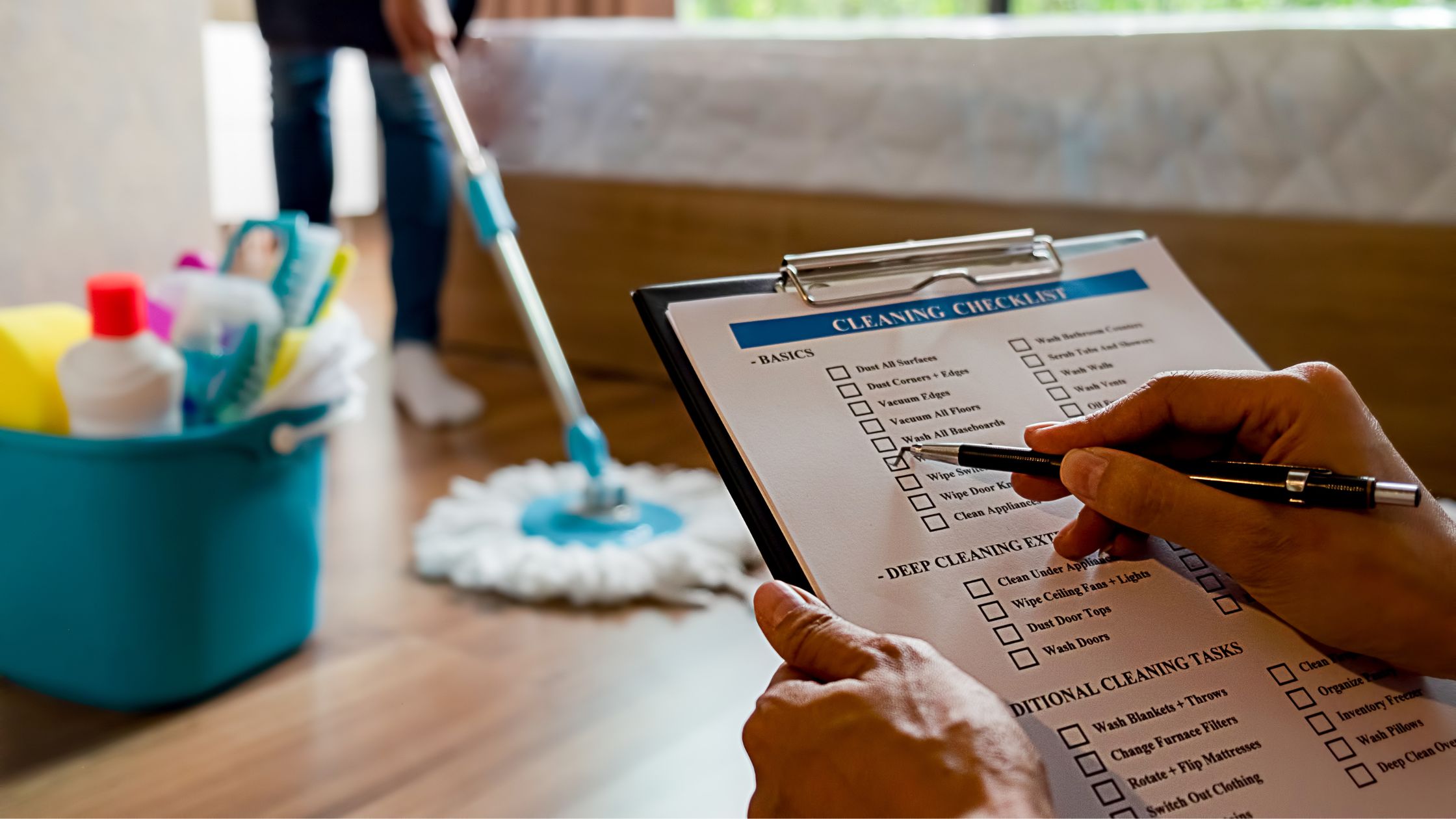
A specialist healthcare cleaning service will typically include the following:
Clinical and Treatment Areas
- Disinfection of all clinical surfaces including examination tables, trolleys, and equipment housings
- Cleaning and disinfection of all high-touch points including handles, switches, and taps
- Safe disposal of clinical waste in accordance with regulations
- Floor cleaning using appropriate disinfectant solutions
Waiting Rooms and Reception
- Thorough cleaning and disinfection of all seating, surfaces, and reception desks
- Cleaning of internal glass, windows, and partitions
- Vacuuming and mopping of all floor areas
- Restocking of hand sanitiser stations where applicable
Toilets and Washrooms
- Full disinfection of all sanitaryware, taps, and dispensers
- Descaling of basins, taps, and toilet fittings
- Cleaning of mirrors, tiles, and all hard surfaces
- Restocking of soap, paper towels, and hygiene consumables
General Throughout
- Colour-coded cleaning equipment used throughout to prevent cross-contamination
- Documented cleaning records maintained and available for inspection
- All work carried out by trained staff with infection control awareness
To find out more about how Hashtag Clean approaches cleaning in medical and healthcare environments, visit our healthcare cleaning service page.
The Role of Infection Control in Healthcare Cleaning
Infection prevention and control (IPC) is not a box-ticking exercise — it is a fundamental responsibility of every healthcare provider. Cleaning is one of the most effective tools available for reducing the transmission of infection, and it must be carried out correctly and consistently to be effective.
Key infection control principles that should underpin any healthcare cleaning programme include the use of the correct disinfectant at the correct concentration and contact time, following a clean-to-dirty and top-to-bottom approach in all areas, ensuring all equipment is decontaminated between uses and between areas, and maintaining clear documentation to demonstrate compliance.
A professional healthcare cleaning company will have staff trained in these principles and will be able to provide documented evidence of cleaning activity — which is increasingly important for CQC inspections and internal governance requirements.
For guidance on infection prevention and control in primary care and independent healthcare settings, the UK Health Security Agency (UKHSA) provides detailed resources for healthcare providers.
Choosing a Healthcare Cleaning Provider — What to Look For
Not every cleaning company is equipped to work in a healthcare environment. When evaluating providers, look for the following:
Relevant experience. Has the company cleaned healthcare settings before? Ask for references from GP surgeries, dental practices, or clinics specifically.
Staff training. Are cleaning operatives trained in infection prevention and control? Do they hold relevant qualifications such as COSHH awareness?
Documented procedures. Can the provider supply a cleaning specification, schedule, and audit trail? This is essential for CQC compliance.
Appropriate products and equipment. Does the company use hospital-grade disinfectants and colour-coded cleaning systems?
Insurance and accreditations. Does the provider hold public liability insurance and relevant industry accreditations?
A reputable healthcare cleaning company will be transparent about all of the above and will welcome the opportunity to discuss their processes in detail.
Frequently Asked Questions
What is healthcare cleaning? Healthcare cleaning is a specialist form of professional cleaning designed for medical and clinical environments. It goes beyond standard commercial cleaning by using hospital-grade disinfectants, colour-coded equipment, and infection control protocols to reduce the risk of cross-contamination and healthcare-associated infections.
How often should a healthcare setting be cleaned? Frequency depends on the risk level of each area. High-risk clinical areas may require cleaning multiple times per day, whilst waiting rooms and offices are typically cleaned daily. A professional healthcare cleaning provider will create a schedule tailored to the specific requirements of your setting.
Do I need a specialist cleaning company for my GP surgery or dental practice? Yes. Standard commercial cleaning companies are not trained in infection prevention and control and do not use the products or protocols required in clinical settings. A specialist provider ensures your premises meet CQC standards and reduces the risk of infection transmission.
What are the CQC requirements for cleaning in healthcare settings? The CQC expects all registered healthcare providers to demonstrate effective cleaning and decontamination procedures as part of its inspection framework, particularly under Key Question 5 (Is it safe?). This includes documented cleaning schedules, staff training records, and evidence of appropriate products and processes being used.
Can healthcare cleaning be carried out outside of opening hours? Yes — and for most practices, this is the preferred approach. Cleaning outside of patient-facing hours minimises disruption, allows thorough access to all areas, and ensures the environment is ready for the following day. Hashtag Clean works flexibly around your operating hours to cause as little disruption as possible.
Maintaining the Highest Standards? Let Hashtag Clean Help.
At Hashtag Clean, our healthcare cleaning teams are experienced in working across GP surgeries, dental practices, physiotherapy clinics, and private healthcare facilities throughout Surrey, Sussex, and Kent. We work to the highest infection control standards, maintain full documentation, and provide a consistent, reliable service that keeps your environment safe for patients and staff alike.
Get in touch with the team today to discuss your requirements:
✆ 01444 810670 ✉ mail@hashtagclean.co.uk
A clean healthcare environment isn’t optional — and neither is choosing the right team to maintain it. Contact Hashtag Clean today and let’s talk about what we can do for your practice.