As winter draws to a close and the days grow longer, many businesses take stock of their surroundings — and for good reason. Spring is the natural moment to reset, declutter, and invest in a thorough professional clean. Spring commercial cleaning is far more than a cosmetic exercise; it is a strategic decision that can improve productivity, protect your assets, and make a powerful impression on clients and staff alike.
In this guide, we explain what a comprehensive spring commercial clean should cover, why it matters for UK businesses, and how professional cleaners can help you get the most from the season.
Why Spring Commercial Cleaning Matters
Throughout the winter months, commercial premises accumulate a build-up of grime, salt residue, and condensation that standard daily cleaning rarely addresses in full. Air quality can deteriorate, high-touch surfaces harbour bacteria, and areas such as carpets, upholstery, and ventilation grilles are frequently overlooked.
A dedicated spring clean offers an opportunity to:
- Remove deep-seated dirt from floors, walls, and surfaces
- Improve indoor air quality by cleaning HVAC filters and ventilation points
- Reduce the spread of allergens, particularly as pollen season begins
- Present a professional image to visitors, clients, and prospective employees
- Comply with workplace health and safety obligations under UK legislation
According to the Health and Safety Executive (HSE), employers have a legal duty to maintain a clean, hygienic workplace. A spring clean is an excellent time to audit your standards and address any deficiencies before they become compliance issues.
Further guidance on workplace cleanliness standards can be found via the Health and Safety Executive’s official guidance on workplace welfare.
What Should a Spring Commercial Clean Cover?
Not all commercial cleaning contracts are created equal. A thorough spring clean should go well beyond the scope of routine daily or weekly tasks. Here is what to look for when commissioning a professional spring commercial cleaning service.
1. Deep Floor Cleaning
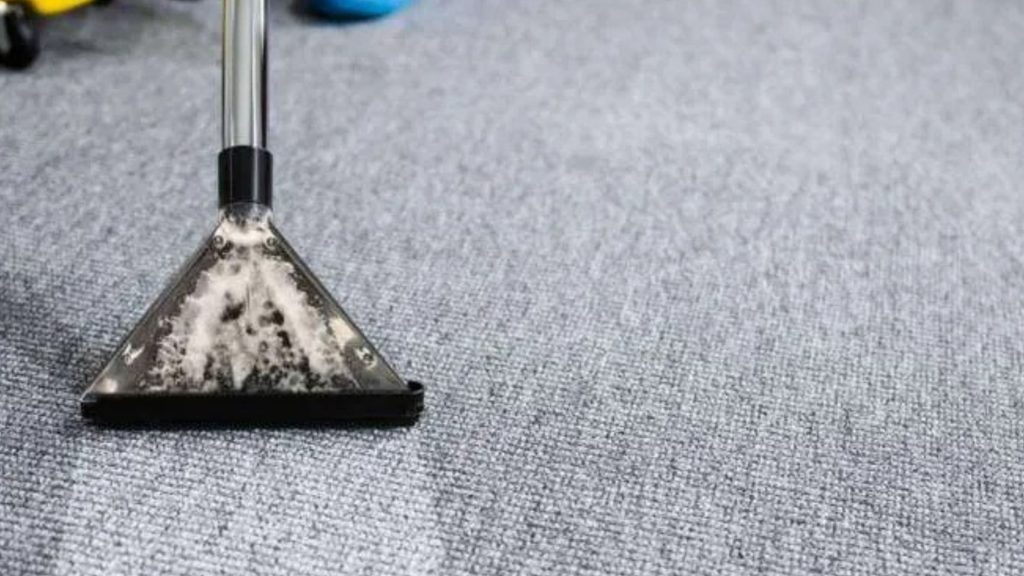
Carpets should be hot-water extracted or professionally steam-cleaned to remove allergens, dust mites, and ingrained soiling. Hard floors — whether vinyl, tile, or polished concrete — benefit from machine scrubbing and burnishing to restore their finish and remove the layer of dulling residue that builds up over winter.
2. Windows and Glazing
External windows often carry significant salt, pollution, and grime from winter weather. Internal glazing, glass partitions, and mirrors should also be thoroughly cleaned. Clean windows improve natural light penetration, which has a measurable positive effect on staff wellbeing and energy efficiency.
3. Sanitisation of High-Touch Areas
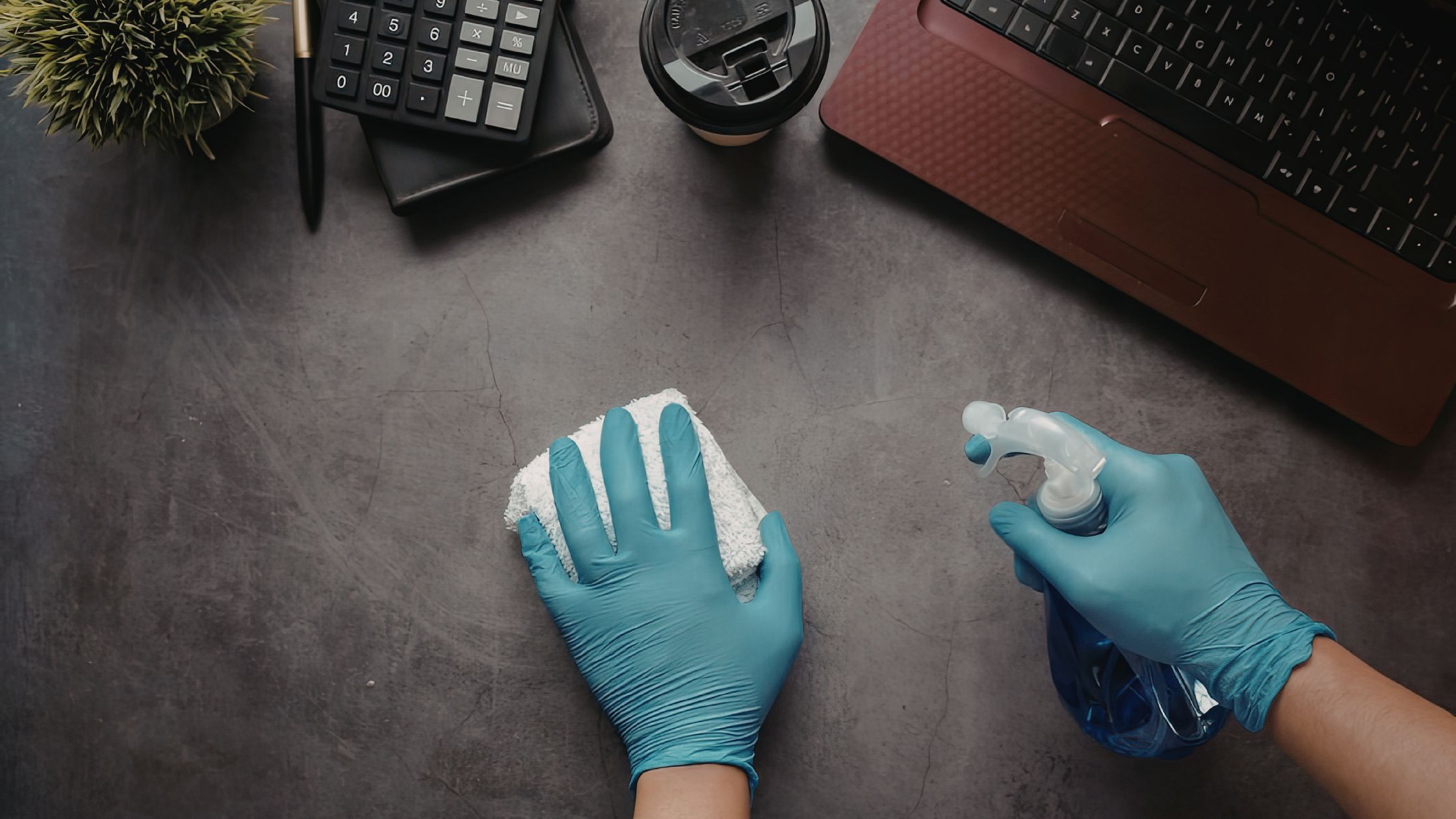
Door handles, light switches, lift buttons, shared equipment, and breakroom surfaces should be deep-sanitised using hospital-grade disinfectants. This is particularly important following the increased awareness of hygiene standards in commercial settings.
4. Kitchen and Welfare Facilities
Staff kitchens and welfare areas often receive only superficial attention during routine cleans. Spring cleaning should include descaling equipment, degreasing extractor fans, cleaning behind appliances, and disinfecting refrigerators, microwaves, and food preparation surfaces to food safety standards.
5. Ceilings, Vents, and Fixtures
Cobwebs, dust accumulation on light fittings, and blocked ventilation grilles are all winter legacies that are easily missed. A professional spring clean should include attention to ceiling-height surfaces and ventilation systems to reduce allergen circulation and improve air quality.
6. External Areas and Entrances
First impressions matter. Entrance areas, car parks, pathways, and signage should all be addressed as part of a complete spring commercial cleaning programme. Jet washing, litter clearance, and the removal of moss or algae from hard surfaces can dramatically improve kerb appeal.
The Benefits of Hiring a Professional Commercial Cleaning Company
Many businesses attempt to manage spring cleaning using in-house staff, only to find that the scope of work exceeds available time and equipment. Professional commercial cleaners bring dedicated machinery, specialist products, and the training needed to tackle deep cleaning safely and efficiently.
Working with an established commercial cleaning provider means:
- Tasks are completed to a consistent, auditable standard
- Specialist equipment is used — including industrial scrubbers, steam cleaners, and HEPA-filtered vacuums
- Cleaning is carried out at times that minimise disruption to your operations
- Products used are compliant with COSHH regulations and appropriate for the environment
- You receive documented evidence of works carried out, supporting your health and safety records
Explore our full range of commercial cleaning services to find the right solution for your premises.
Planning Your Spring Commercial Clean: A Practical Checklist
To help you prepare, here is a quick planning checklist for organising your spring commercial cleaning:
- Audit your premises: walk through all areas and note what requires specialist attention
- Set a schedule: coordinate with your cleaning provider to minimise disruption
- Communicate with staff: ensure teams are aware of any temporary access restrictions
- Review your ongoing contract: consider whether your regular cleaning specification needs updating
- Document the results: keep a record of works completed for your health and safety file
If you’re based in or around West Sussex, our team provides local commercial cleaning services across the region — get in touch to discuss your requirements.
What Makes Spring the Right Time to Act?
Spring commercial cleaning benefits from perfect timing on several fronts. Longer daylight hours make it easier to spot areas of soiling that were hidden during the darker winter months. Warmer temperatures improve the effectiveness of certain cleaning agents and allow faster drying of floors and upholstery.
From a business perspective, March and April represent the start of a new financial year for many UK organisations — an opportunity to begin the year with a well-maintained, professionally presented workplace. It is also an ideal moment to review your cleaning contract and ensure your specification remains fit for purpose.
Outbound research also supports the value of a proactive approach: a study published in the British Journal of Environmental Health highlighted a direct correlation between workplace cleanliness and reduced short-term staff absence — a significant consideration for any business managing productivity targets.
For broader context on UK commercial cleaning industry standards, the British Institute of Cleaning Science (BICSc) provides useful guidance for commercial cleaning professionals and clients.
Frequently Asked Questions
How often should a commercial premises be deep cleaned?
Most commercial properties benefit from a deep clean at least twice a year — spring and autumn are the most common schedules. High-footfall environments such as retail units, healthcare facilities, or food production sites may require more frequent deep cleaning cycles.
How long does a spring commercial clean take?
Duration depends on the size and complexity of your premises. A typical mid-sized office of 2,000–4,000 sq ft might require a full day’s work for a professional team. Larger facilities, or those with specialist requirements, will naturally take longer. Your cleaning provider should offer a site survey and a clear time estimate before work begins.
Can spring cleaning be carried out outside business hours?
Yes — and in most cases, this is the preferred approach. Professional commercial cleaners are accustomed to working early mornings, evenings, and weekends to ensure business operations are not disrupted. Discuss scheduling preferences with your provider at the quotation stage.
Is spring commercial cleaning covered by an existing cleaning contract?
Standard commercial cleaning contracts typically cover routine daily or weekly maintenance rather than deep cleaning. Spring cleaning is usually commissioned as a separate, one-off service. However, some providers — including Hashtag Clean — can incorporate periodic deep cleaning into a tailored annual contract.
What areas are most commonly overlooked in a commercial spring clean?
The most frequently missed areas include ventilation grilles and HVAC filters, internal window sills and glazing bars, behind and underneath large furniture, ceiling-height fixtures and light fittings, and the insides of kitchen appliances. A reputable commercial cleaning company will include these as standard in a comprehensive spring clean specification.
Ready to Hand Over With Confidence? Call in the Professionals.
Spring is the ideal time to get your post-construction clean booked before the busy handover season kicks in. Whether you’re managing spring commercial cleaning a single residential unit, a commercial fit-out, or a multi-plot development, our construction cleaning specialists are ready to help.
Get in touch with the Hashtag Clean team today:
✆ 01444 810670 ✉ mail@hashtagclean.co.uk
Don’t leave your handover to chance — book your builders clean early and ensure your project finishes as well as it was built.