Moving out is stressful enough without the added worry of losing your deposit over cleaning. End of tenancy cleaning is one of the most common reasons landlords and letting agents make deductions, yet it is also one of the most preventable.
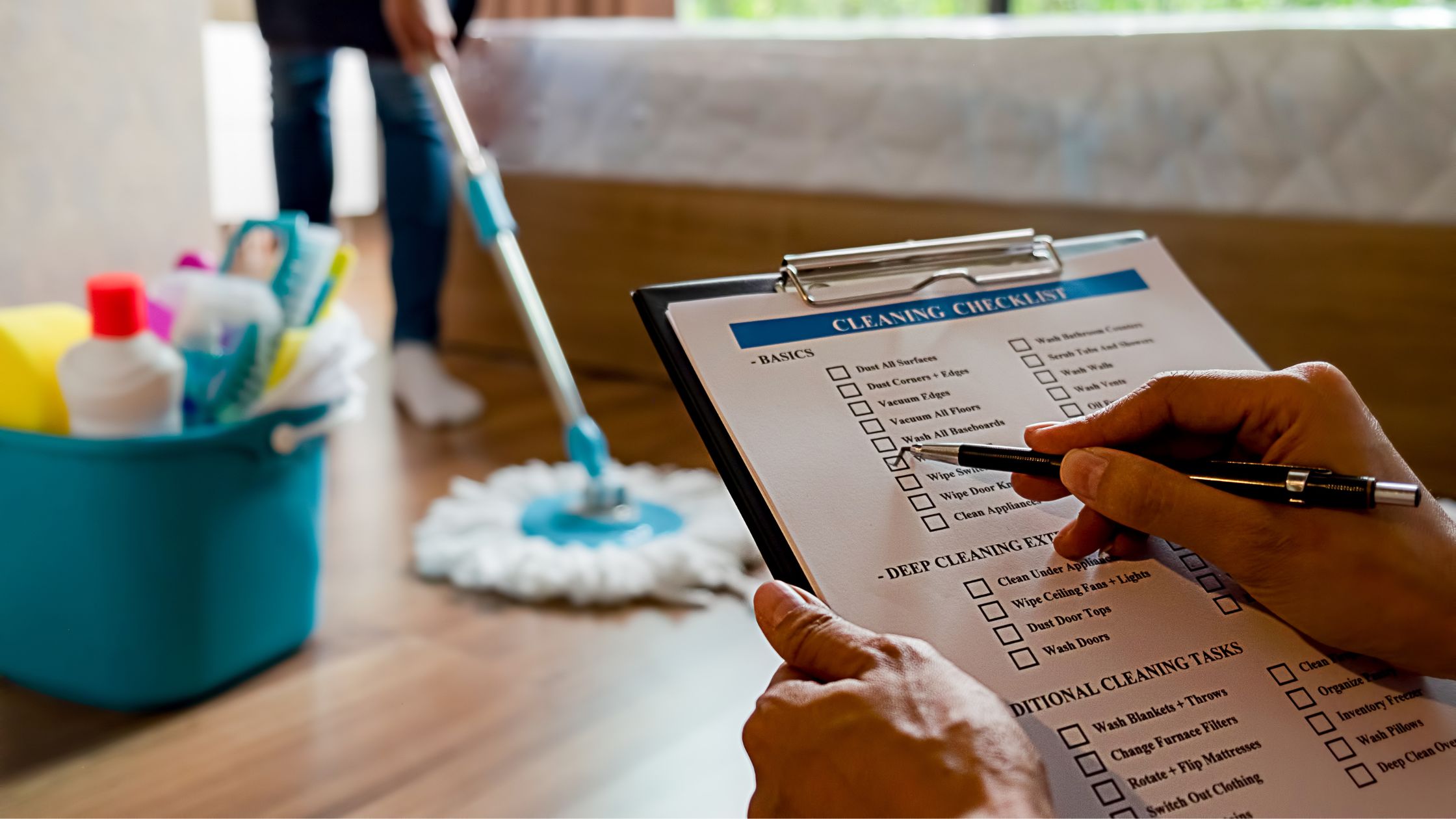
This room-by-room end of tenancy cleaning checklist for tenants covers everything you need to tackle before the final inspection. Use it as a practical guide whether you’re doing the clean yourself or briefing a professional cleaning company.
Why Getting Your End of Tenancy Clean Right Matters
Under the Tenancy Deposit Scheme, landlords are required to justify any deductions from your deposit in writing. However, a property that has not been returned to its original standard of cleanliness is one of the most straightforward deductions to make — and one of the hardest to dispute without evidence.
Taking a methodical approach to your end of tenancy clean gives you the best chance of a full deposit return and leaves you with a strong reference from your landlord or letting agent.
For guidance on your rights as a tenant regarding deposit deductions, visit the UK Government’s tenancy deposit protection guidance.
End of Tenancy Cleaning Checklist: Room by Room
Work through each room systematically. Tick off each task as you go and photograph completed areas for your records.
Kitchen
- Clean inside and outside all cupboards and drawers, removing any food debris or grease
- Degrease the hob, including burners, grates, and surrounding surfaces
- Clean inside the oven, including racks, trays, and the door glass
- Wipe down the extractor fan and replace or clean the filter if applicable
- Clean the inside of the fridge and freezer (defrosted and dried)
- Clean the inside of the microwave and any other built-in appliances
- Descale the kettle and clean the toaster if left as part of the tenancy
- Wipe down all worktops, splashbacks, and tiled surfaces
- Clean the sink and taps, removing limescale and any staining
- Mop the floor and clean any skirting boards
- Empty and clean the bin
Pro Tip: Oven cleaning is one of the most scrutinised areas at inspection. If it’s heavily soiled, a specialist oven cleaning product or a professional service will save you time and stress.
Bathroom and Toilet
- Scrub and descale the bath, shower tray, and shower screen or curtain
- Clean the shower head, removing limescale build-up
- Scrub and disinfect the toilet, including under the rim, the seat, and the base
- Clean and descale the sink and taps
- Wipe down tiles, grout, and any wall panels — removing mould or mildew
- Clean mirrors and any glass shelving
- Empty and clean bathroom cabinets
- Clean extractor fan cover
- Mop the floor and wipe down skirting boards
Pro Tip: Mould on grout or sealant can be difficult to remove entirely. Use a mould-specific spray and allow it to dwell before scrubbing. Persistent mould may require a professional treatment.
Living Room and Dining Room
- Dust all surfaces, shelves, and skirting boards
- Clean inside any storage units or fitted furniture
- Wipe down windowsills, window frames, and ledges
- Clean internal windows and any glass panels in doors
- Vacuum upholstered furniture thoroughly
- Vacuum and spot-clean carpets, or arrange a professional carpet clean if heavily soiled
- Clean light fittings and lampshades
- Wipe down switches, sockets, and door handles
- Remove any marks from walls (use a damp cloth and sugar soap cautiously)
- Clean the fireplace or fire surround if applicable
Bedrooms
- Dust all surfaces, including tops of wardrobes and shelving
- Clean inside wardrobes, drawers, and bedside cabinets
- Wipe down windowsills and window frames
- Clean internal windows
- Vacuum or clean under the bed
- Vacuum carpets or clean hard floors
- Wipe down skirting boards and door frames
- Clean light switches, sockets, and door handles
Hallways, Stairs, and Landing
- Vacuum carpets on stairs and landing, paying attention to the edges
- Clean hard floors in the hallway
- Dust and wipe down skirting boards and banisters
- Clean light fittings and switches
- Wipe down the front door (inside and out) and letterbox
- Clean any mirrors or coat hooks
General Throughout the Property
- Clean all internal doors, door frames, and handles
- Wipe down all radiators and remove dust from behind them where accessible
- Clean all light switches and sockets throughout
- Remove all personal belongings and rubbish
- Check loft, garage, shed, and outbuildings and clear any items left
- Clean the inside of all windows
- Ensure outdoor areas are tidy — garden, patio, or balcony cleared of debris
Should You Hire a Professional End of Tenancy Cleaning Company?
DIY cleaning is entirely possible if the property is in a reasonable condition and you allow sufficient time — a full clean of a standard two-bedroom flat typically takes six to eight hours if carried out thoroughly.
However, many tenants find that hiring a professional end of tenancy cleaning company is the more practical and cost-effective choice for several reasons:
- Professional cleaners work to a landlord-approved standard and are familiar with what agents inspect most closely
- Specialist equipment — including steam cleaners and commercial-grade products — achieves a deeper result than domestic tools
- Many professional companies offer a re-clean guarantee if the landlord raises any issues after inspection
- It removes significant stress from an already demanding moving period
Find out more about our end of tenancy cleaning service and what is included as standard.
Tips for a Successful Final Inspection
A few practical steps can make the difference between a smooth checkout and a contested deposit:
- Take date-stamped photographs of every room once the clean is complete
- Compare your photographs against the original inventory and check-in report
- Raise any maintenance issues in writing with your landlord before you leave — do not let pre-existing damage be attributed to you
- Return the property with all keys, fobs, and access cards
- Ensure the clean is carried out as close to your checkout date as possible to avoid the property gathering dust before inspection
If you’re based in West Sussex and need a reliable team, see our service areas page to confirm we cover your location.
For further guidance on the end of tenancy process, the Tenancy Deposit Scheme’s tenant guidance provides useful advice on what landlords can and cannot deduct from your deposit.
Frequently Asked Questions
How long does an end of tenancy clean take?
It depends on the size and condition of the property. A studio or one-bedroom flat typically takes three to five hours for a professional team. A three-bedroom house in average condition can take six to eight hours or longer. Heavily soiled properties or those requiring specialist treatments such as carpet cleaning or oven valeting will take additional time.
Does end of tenancy cleaning include carpet cleaning?
Not always as standard. Carpet cleaning is often treated as a separate service. If your carpets are heavily soiled or stained, it is worth booking a professional carpet clean at the same time as your end of tenancy clean. Check your tenancy agreement — some require carpets to be professionally cleaned as a condition of the tenancy.
Can my landlord require me to use a specific cleaning company?
Under the Tenant Fees Act 2019, landlords in England cannot require tenants to use a specific cleaning company as a condition of the tenancy. However, they can require that the property is returned to a professionally cleaned standard. Always check your tenancy agreement for any specific obligations.
What happens if the landlord is unhappy with the clean after I’ve moved out?
If you used a professional cleaning company that offers a re-clean guarantee, contact them first. If you carried out the clean yourself and the landlord disputes the standard, you have the right to raise a dispute through the relevant tenancy deposit scheme. Supporting photographs and a copy of the original inventory will be your most important evidence.
How far in advance should I book an end of tenancy clean?
We recommend booking as early as possible — ideally two to three weeks before your checkout date. End of tenancy cleans are in high demand, particularly at the end of the month and during busy moving periods such as summer. Booking early ensures you secure a date that aligns with your move-out schedule.
Want the Job Done Properly? Leave It to the Professionals.
Moving out is stressful enough without worrying about whether the clean will meet your landlord’s standards. Whether you’re vacating a studio flat, a family home, or a managed rental property, our end of tenancy cleaning specialists are ready to help.
Get in touch with the Hashtag Clean team today:
✆ 01444 810670 ✉ mail@hashtagclean.co.uk
Book early — end of tenancy cleans are in high demand. We’ll confirm your slot quickly and take the stress out of moving day.