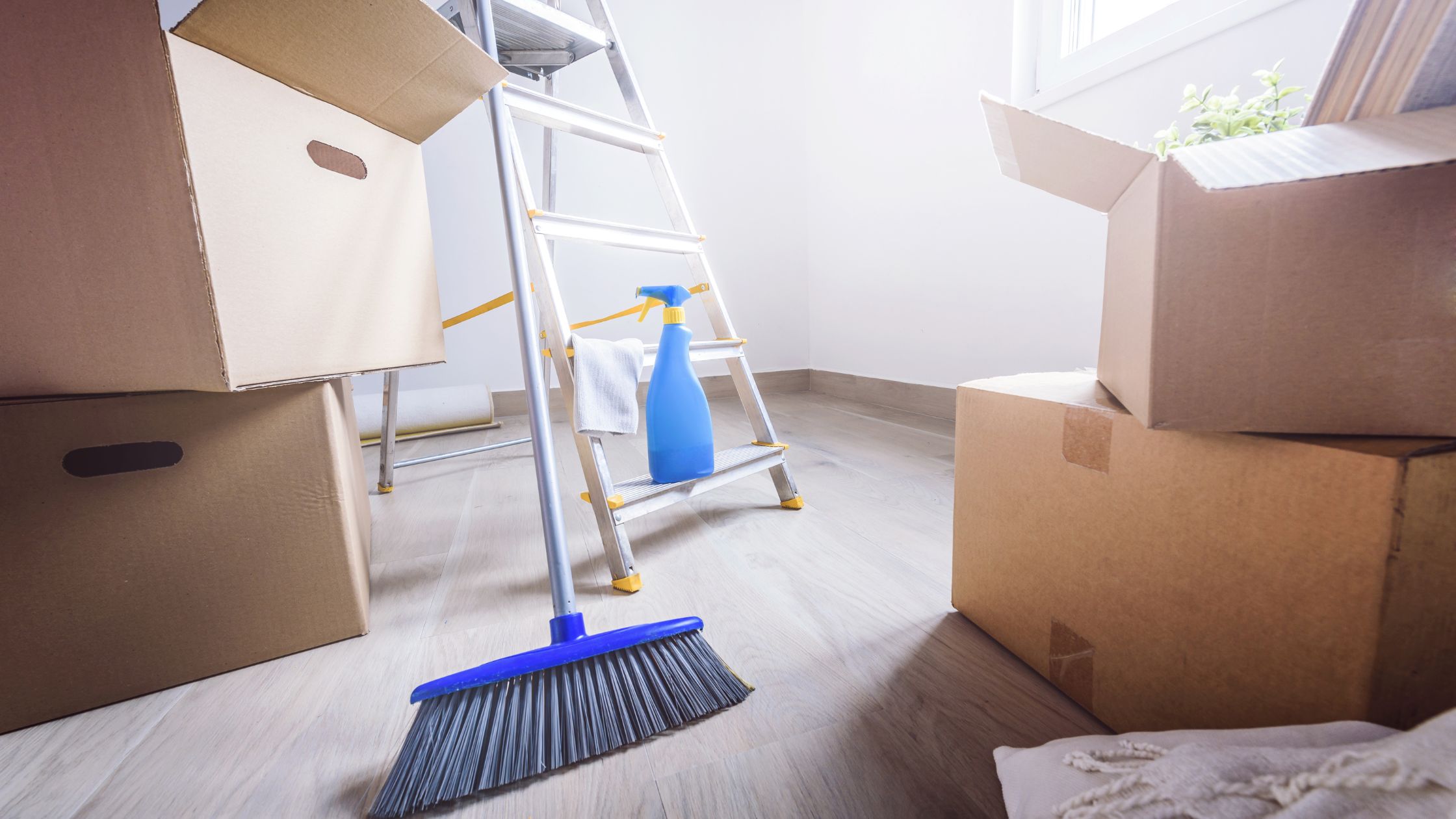
Domestic vs Commercial End of Tenancy Cleaning Explained

Carpet being professionally cleaned during domestic end of tenancy cleaning, illustrating key differences in domestic vs commercial end of tenancy cleaning requirements.

End of tenancy (EOT) cleaning is essential in both residential and commercial lettings, but the expectations, legal responsibilities, and scope of work differ significantly depending on the type of property. Understanding these differences is key for landlords, tenants, and property managers alike. In this guide, we explore the key distinctions between domestic vs commercial end of tenancy cleaning, helping you identify the right approach — and the right cleaning provider — for your property.
Scope of Work: Residential vs Commercial Properties

The scale and complexity of EOT cleaning vary greatly between domestic and commercial settings. A domestic clean typically involves a standard home environment — such as flats or houses — with familiar household layouts, fixtures, and finishes.

In contrast, commercial EOT cleaning covers workspaces, retail units, industrial premises, or multi-floor office buildings. These environments often require:

  • Cleaning of shared or high-traffic areas (e.g., stairwells, lifts, reception zones)

  • Specialist flooring and surfaces (e.g., vinyl, safety flooring, glass partitions)

  • Higher volumes of waste removal

  • More intensive degreasing, descaling, or stain removal across larger areas

The sheer size, layout, and variation in commercial properties mean the cleaning process is often more time-consuming and technically involved.

Compliance and Health & Safety Requirements

One of the most critical differences between domestic and commercial EOT cleaning is the compliance aspect.

Domestic Properties

For residential lets, cleaning standards are usually set by tenancy agreements or deposit protection schemes. The aim is to return the home to a clean, habitable condition for the next tenant, without breaches of hygiene or obvious damage.

In most cases, domestic end of tenancy cleaning focuses on visible cleanliness rather than formal compliance. Landlords and inventory clerks will assess whether kitchens, bathrooms, carpets, and appliances have been cleaned to an acceptable standard, with attention on fairness and reasonableness rather than regulatory documentation or specialist certification.

Commercial Properties

In commercial settings, there are additional health and safety considerations. Cleaning may be governed by:

In these cases, the cleaning company must provide proper documentation, risk assessments, and potentially hold accreditations such as CHAS or SMAS. Failing to meet these standards could delay handover, trigger enforcement notices, or lead to legal disputes with landlords or managing agents.

Different Client Types and Expectations

Domestic Clients

Domestic EOT cleaning is typically arranged by private tenants or landlords. Their focus is on ensuring the property is clean enough to meet the inventory check, avoiding deposit deductions, and presenting the space well for incoming tenants.

Commercial Clients

Commercial end of tenancy cleaning is often arranged by facilities managers, business owners, or letting agents acting on behalf of landlords. Expectations are typically higher, with an emphasis on documentation, pre-inspection preparation, and full-scale waste clearance — including furniture, signage, or display units.

For larger or multi-site portfolios, commercial clients also expect consistent delivery across locations and the ability to meet tight move-out deadlines.

Why Commercial EOT Cleaning Requires Specialist Support

Due to the legal, logistical, and safety-related demands of commercial EOT work, it’s not a task for general domestic cleaners. A professional commercial cleaning provider will:

  • Deliver deep cleans in line with lease requirements

  • Supply full reports, including photographic evidence

  • Handle hazardous materials, if needed

  • Ensure all operatives wear appropriate PPE and work safely

  • Coordinate access, keys, and site permissions with minimal disruption

Working with a specialist ensures a compliant, professional result — and avoids the risk of delays or re-cleans before final handover.

Need Help with End of Tenancy Cleaning?

Whether you’re managing a residential let or preparing to exit a leased commercial space, Hashtag Clean offers tailored, compliant end of tenancy cleaning services across Surrey, Sussex, and Kent.

Our team is experienced in both domestic and commercial environments, with the training, accreditations, and documentation needed to meet modern compliance standards.

You May Also Like

Professionally cleaned apartment ready for re-letting after end of tenancy cleaning for letting agents.
End of Tenancy Cleaning

End of Tenancy Cleaning Guide for Letting Agents in Surrey and Sussex

For letting agents managing multiple tenancies across Surrey and Sussex, an end of tenancy cleaning guide for letting agents helps ensure properties are returned to a consistently high standard at the end of each lease. Efficient, reliable end of tenancy cleaning reduces void periods, prevents disputes, and ensures the next

Read More »
Clean commercial office corridor prepared for inspection following professional commercial end of tenancy cleaning.
Commercial Cleaning

Commercial End of Tenancy Cleaning: A Compliance Checklist

When a commercial lease ends, commercial end of tenancy cleaning is required to return the premises in a clean, compliant condition that meets the standards set out in the lease agreement. This final clean goes beyond appearance — it plays a critical role in meeting legal and contractual obligations before

Read More »
Pigeons lined up on a ledge with visible bird droppings, highlighting the need for professional guano cleaning to manage health and safety risks.
Specialist Cleaning

Bird Droppings (Guano) Cleaning: Why It’s a Legal Health Hazard

Bird droppings may appear harmless at first glance, but in reality, they pose both legal and health risks in residential and commercial settings. Guano, the accumulated waste from birds such as pigeons and seagulls, is more than just an unsightly nuisance—it’s classed as hazardous under UK regulations and must be

Read More »
Close-up of pipettes dispensing liquid into a laboratory tray for ATP hygiene testing
Specialist Cleaning

ATP Testing Explained Simply

ATP testing is one of the most reliable ways to verify whether a surface is genuinely clean beyond what the eye can see. It’s widely used in specialist and biohazard cleaning across the UK to ensure that harmful contaminants, bacteria, and organic residue have been properly removed. At Hashtag Clean,

Read More »
Cluttered room with storage boxes and household items needing hoarder cleaning
Specialist Cleaning

Hoarder Cleaning UK: What’s Involved

Hoarder cleaning is a specialised cleaning service designed to deal with extreme property conditions caused by chronic hoarding. These properties often contain significant health and safety risks, including fire hazards, structural damage, and biohazard contamination. For landlords, property managers, and local authorities in the UK, understanding what hoarder cleaning involves

Read More »
Operative in full PPE carrying red biohazard waste bag during sharps removal service
Specialist Cleaning

Needle Sweep Cleaning for Landlords

Sharps removal and needle sweep services are a vital aspect of property management, especially when dealing with abandoned rentals or squats. For UK landlords, encountering used needles, syringes, or other drug paraphernalia in a vacated property is unfortunately not uncommon,  and it poses significant health and legal risks. In this

Read More »