Back To Blog
Specialist Cleaning
Bird Droppings (Guano) Cleaning: Why It's a Legal Health Hazard
22 January 2026 Rickus.Jansen
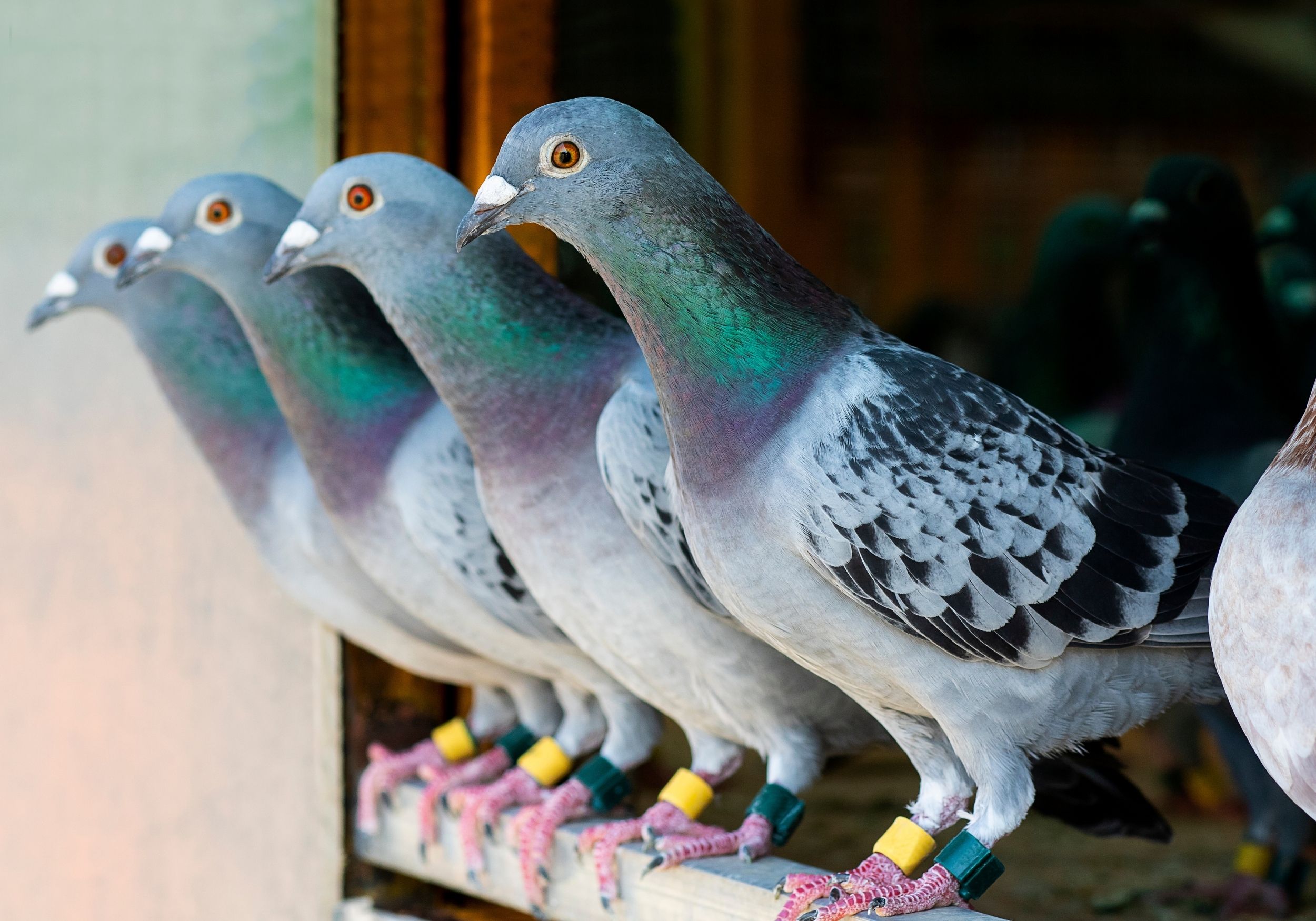
Bird droppings may appear harmless at first glance, but in reality, they pose both legal and health risks in residential and commercial settings. Guano, the accumulated waste from birds such as pigeons and seagulls, is more than just an unsightly nuisance—it’s classed as hazardous under UK regulations and must be removed in a safe, compliant manner. In this article, we explain why guano cleaning requires trained professionals and what your legal obligations may involve.
What Is Guano?
Guano refers to the build-up of bird droppings over time, typically found on rooftops, window ledges, balconies, plant rooms, or within abandoned buildings. Its acidic nature can cause long-term damage to masonry, metalwork, and roofing membranes. But more critically, guano carries a range of biological risks—hosting pathogens that can affect human health if disturbed or allowed to accumulate.Who Is Legally Responsible?
The responsibility for dealing with guano lies with those who control or manage a property. This may include:- Landlords and housing providers
- Facilities managers and caretakers
- Commercial tenants or business operators
- Local authorities managing public buildings
Understanding COSHH Regulations
Why Is Guano Classed as Hazardous?
Bird droppings are officially recognised as hazardous under the Control of Substances Hazardous to Health (COSHH) Regulations. When dried, guano becomes brittle and can break down into dust, releasing airborne particles that may carry harmful pathogens.What Does the Law Require?
Under COSHH, employers and duty-holders must assess exposure risks and implement control measures. This includes professional cleaning, risk assessments, and ensuring operatives wear appropriate protective equipment. Failure to manage guano contamination can result in fines or prosecution—particularly if staff, contractors, or the public are put at risk.Health Risks Linked to Bird Droppings
Guano can transmit a number of diseases, particularly when it becomes airborne or comes into direct contact with skin or mucous membranes. These include:- Histoplasmosis – a fungal infection affecting the lungs, caused by inhaling spores from dried droppings.
- Cryptococcosis – another fungal disease, often affecting those with compromised immune systems.
- Psittacosis – a bacterial infection which can present with flu-like symptoms and potentially progress to pneumonia.
Safe Cleaning and PPE Requirements
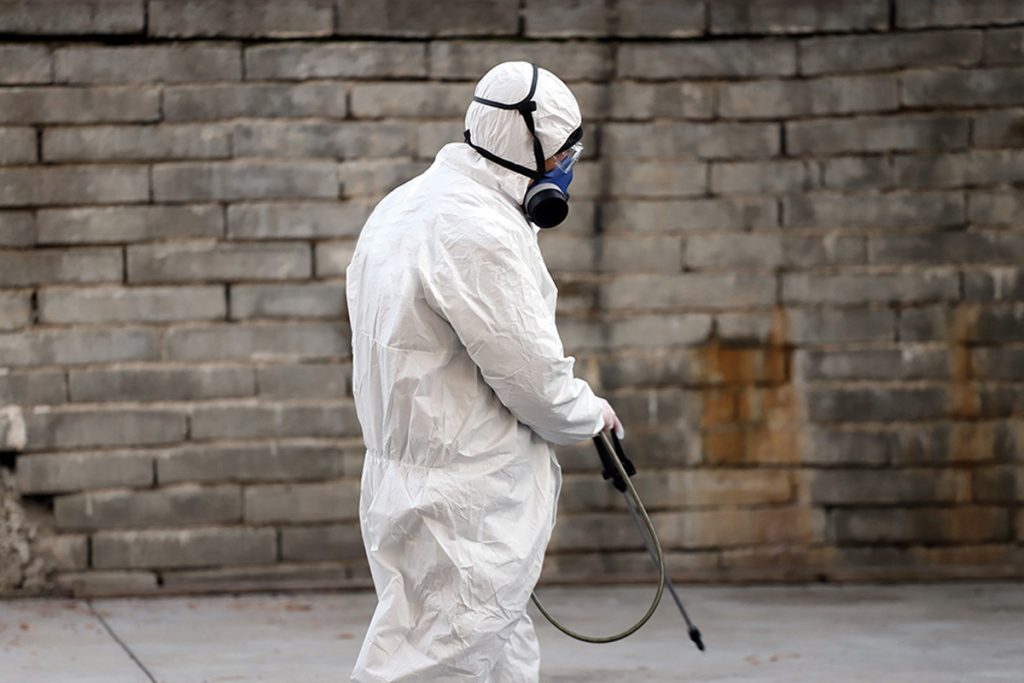
Cleaning guano safely involves much more than standard cleaning tools. Professional cleaning teams are equipped with:- Disposable coveralls – to prevent contamination of clothing
- Respiratory protective equipment (RPE) – to filter airborne spores
- Eye protection – to guard against splashes and dust
- Nitrile gloves and safety footwear – ensuring safe handling and stability
Hazardous Waste Disposal Rules
Guano must be disposed of in accordance with the Environmental Protection Act 1990. It cannot be placed in standard commercial bins. Instead, it must be:- Bagged securely and clearly labelled as hazardous waste
- Collected and transported by a licensed waste carrier
- Taken to an approved disposal site with a full waste transfer record
Where Guano Typically Builds Up
Bird droppings tend to accumulate in sheltered or undisturbed locations. Common areas include:- Rooftop plant rooms, PV panels, and signage brackets
- Balconies, gutters, and fire escapes
- Warehouse rafters and loading bays
- Church towers, listed buildings, and derelict properties
- Loft voids, attic spaces, and neglected interiors
Why Use Hashtag Clean for Guano Cleaning?
At Hashtag Clean, we provide certified guano cleaning services across the South East, working with housing associations, landlords, councils, and commercial clients. Our service includes:- Trained operatives with CPD-accredited safety knowledge
- Full PPE and COSHH-compliant cleaning techniques
- ATP testing and photographic reporting where required
- Safe and legal hazardous waste disposal
- Discreet, respectful service tailored to sensitive environments