Legionella and the Christmas Shutdown: Flushing Little-Used Outlets
Last reviewed: November 2026
If your building will be empty over Christmas, water left standing in pipes, taps and showers can sit in the temperature range where legionella bacteria grow. HSE guidance is to flush infrequently used outlets at least weekly, so a shutdown needs a plan before the doors close and before staff return.
This guide explains why closures increase the risk, what HSE guidance says, and how to plan a safe reopening in January.
What Legionella Is and Why Shutdowns Matter
Legionella bacteria are found naturally in water. In building water systems, they can multiply and cause Legionnaires' disease, a serious form of pneumonia caught by breathing in small droplets of contaminated water, such as spray from a tap or shower.
According to HSE, water temperatures between 20°C and 45°C favour legionella growth. Stagnant water, scale and sediment make things worse. During a closure, water stops moving through the system, cold water can warm up and hot water can cool down, so a short break can create the conditions bacteria need.
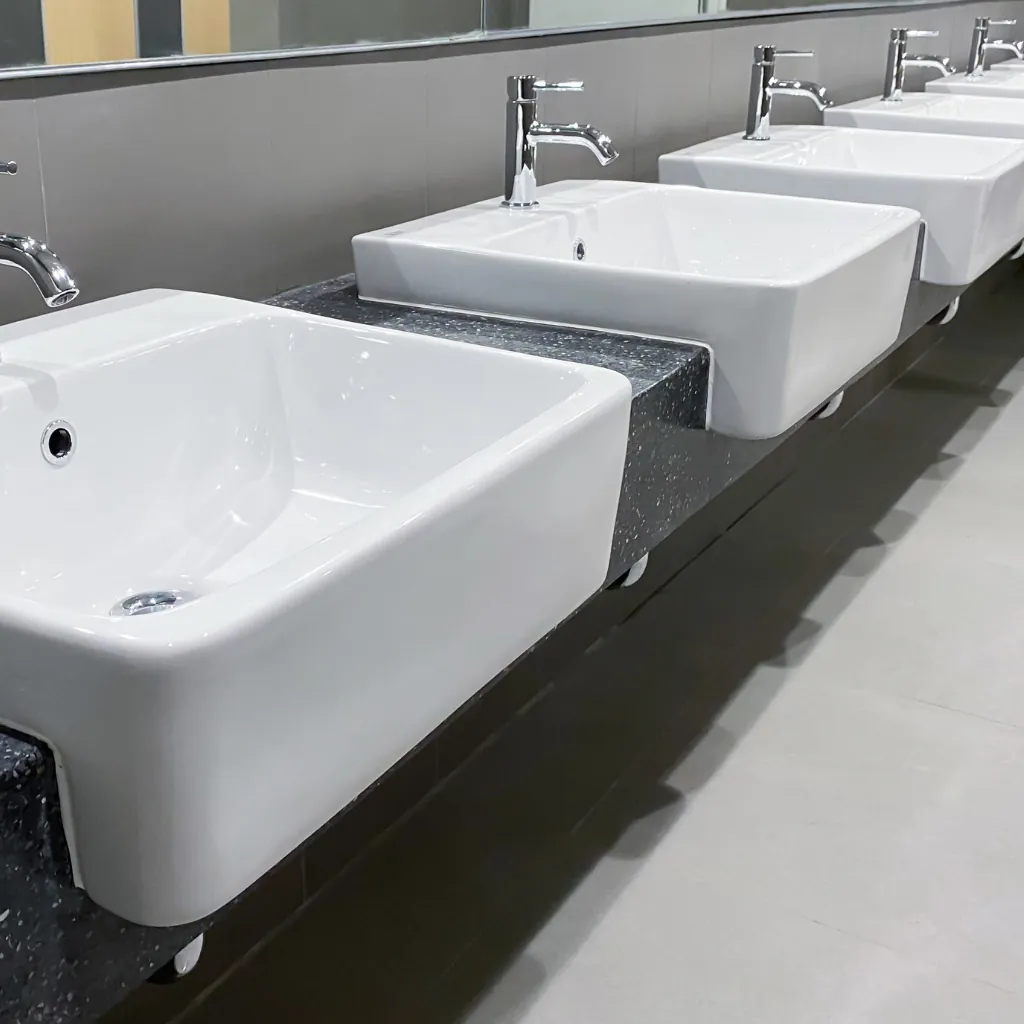
Outlets that are rarely used at the best of times, such as showers, spare washrooms, cleaner's sinks and outside taps, carry the highest risk.
Who Is Responsible?
Employers and people in control of premises have a legal duty to identify and control the risk of exposure to legionella. HSE's Approved Code of Practice, known as L8, explains how to meet that duty.
In practice, this means:
- Having a legionella risk assessment carried out by a competent person
- Appointing someone responsible for managing the control measures
- Keeping records of checks, flushing and temperature monitoring
Your landlord, facilities manager or water hygiene contractor may handle some of this, but the responsibilities should be clear and in writing. If you are not sure who covers what in your building, find out before the Christmas break.
What HSE Guidance Says About Flushing
HSE's guidance on hot and cold water systems sets out several key controls:
| Control | HSE guidance |
|---|---|
| Hot water storage | At least 60°C |
| Hot water at outlets | At least 50°C within one minute of running |
| Cold water | Below 20°C |
| Infrequently used outlets | Flush weekly, purging to drain without releasing aerosols |
An infrequently used outlet is generally one used less than once a week. Flushing means running the outlet long enough to draw fresh water through, while avoiding spray, for example by running taps gently and removing or covering shower heads.
Before You Close
Plan the shutdown with whoever manages your water system:
- Check your risk assessment covers periods of closure.
- List every outlet that will not be used during the break, including showers, kitchens and spare washrooms.
- Agree who will flush outlets if the closure lasts more than a week, and how it will be recorded.
- Confirm heating settings so hot water storage is maintained at the right temperature.
- Brief the people involved, including anyone with keys and building access.
During the Closure
If the building is closed for more than a week, outlets still need flushing at least weekly. This is easy to forget when nobody is on site, so put names and dates against the task before the break begins.
Reopening in January
Before staff return, every outlet that has not been used should be flushed through, again without creating spray. Check that hot water reaches the right temperature at the outlets and that cold water runs cold. If anything seems wrong, such as discoloured water or temperatures that do not recover, speak to your water hygiene contractor before people use the system.
Reopening is also a good moment for a full clean. Dust settles, kitchens sit unused and washrooms need resetting after a closure. Our guide to the best time to book a commercial deep clean explains how a January deep clean can give your team a fresh start.
Where Your Cleaning Contractor Fits In
Cleaning teams are often the people who visit little-used areas most regularly, so they can play a useful part in your routine. If you want your cleaners to flush specific outlets, agree it in writing, add it to the site checklist and make sure each flush is recorded.
This does not replace a legionella risk assessment or the work of a water hygiene specialist. It simply makes sure an agreed task is carried out and logged. For more on your wider duties, read our guide to office cleaning requirements under UK law.
Planning Your January Restart With Hashtag Clean
Hashtag Clean works to a bespoke checklist for every site, so any task you agree with us is written down and ticked off every visit. Our cleaners are directly employed, and our COSHH and risk assessments are managed through compliance software.
Whether you need a deep clean before your team returns or a review of your commercial cleaning or office cleaning schedule for the new year, request a free quote and we will walk your site with you.
Frequently Asked Questions
Do I need to flush taps over the Christmas shutdown?
HSE guidance is to flush infrequently used outlets at least weekly. If your building is closed for more than a week, outlets should still be flushed weekly and recorded.
What temperature prevents legionella growth?
HSE guidance is to store hot water at 60°C or above, deliver it at 50°C or above within one minute at outlets, and keep cold water below 20°C. Temperatures between 20°C and 45°C favour growth.
Who is responsible for legionella control in a workplace?
Employers and people in control of premises have a legal duty to assess and control the risk. HSE's Approved Code of Practice L8 explains how to meet it.
Can my cleaners flush little-used outlets?
They can if it is agreed in writing, added to the site checklist and recorded. It does not replace a legionella risk assessment by a competent person.