Back To Blog
Commercial Cleaning
Commercial Cleaning for Warehouses and Industrial Units
28 July 2026 Rickus.Jansen
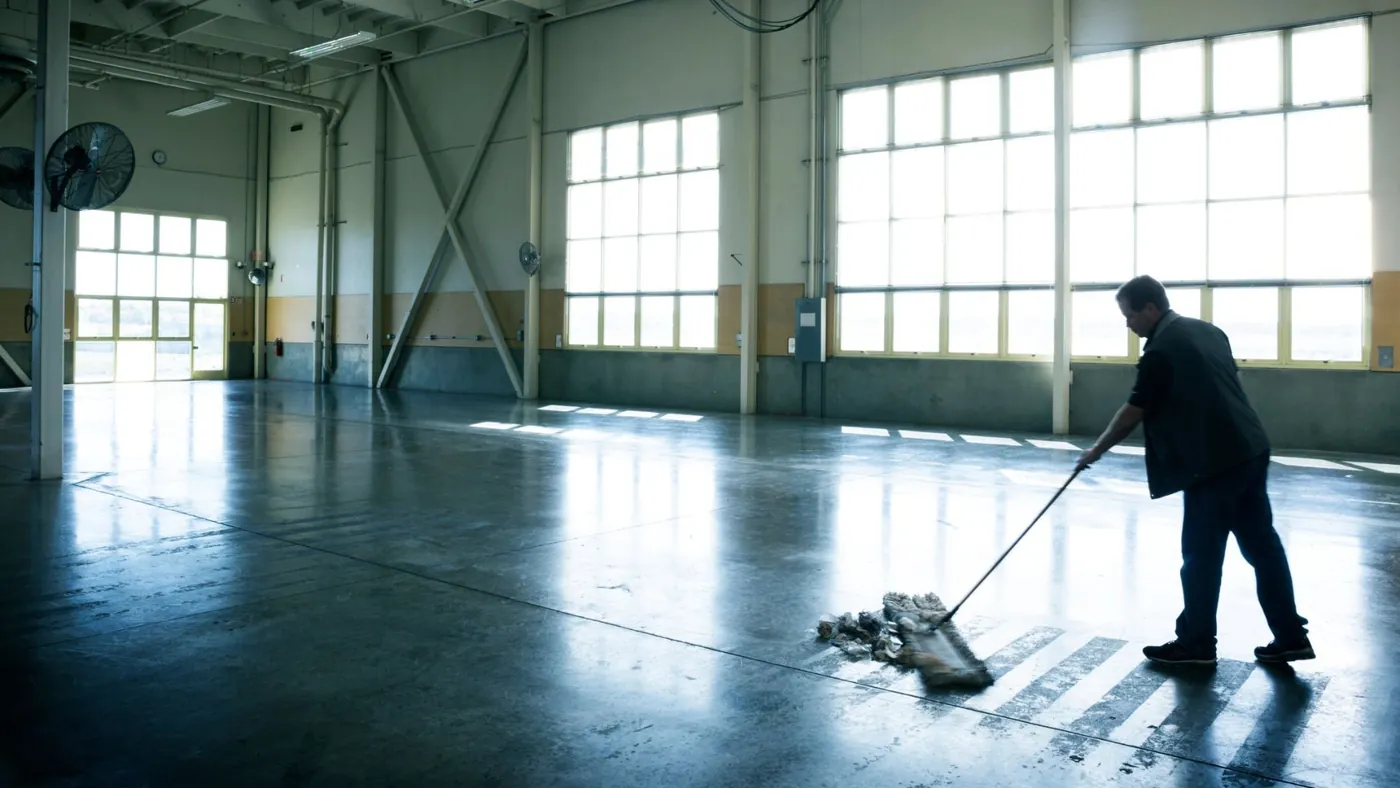
Warehouse cleaning services affect three things: how well the site runs, health and safety, and staff welfare. Warehouses are not like offices or shops. They have large floor areas, heavy machinery, racking systems, loading bays, and constant movement of goods and people. Standard commercial cleaning is not built to handle these conditions.
This guide covers what professional warehouse cleaning involves. It explains why the stakes are higher in industrial sites. It also sets out what a good cleaning contract should include for your site.
Why Warehouse Cleaning Is a Compliance Issue, Not Just a Hygiene One
In a warehouse, cleaning is not just about looking tidy. It is tied to health and safety duties that every employer must meet under UK law. Dust on racking, debris on walkways, contaminated loading bays, and poor welfare facilities all create real risk. This risk affects staff, stock, and the business. The Workplace (Health, Safety and Welfare) Regulations 1992 require employers to keep the workplace clean. This includes walkways, rest areas, and toilets. Warehouse cleaning that is patchy or infrequent is not just a presentation issue. It is a compliance failure.The Unique Challenges of Warehouse Cleaning
Warehouse and industrial sites bring challenges that go beyond standard commercial cleaning:- Scale — Warehouse floors can run to tens of thousands of square feet. This needs industrial-grade scrubber dryers and specialist kit, not standard mops and buckets.
- Operational continuity — Cleaning must fit around shift patterns, delivery windows, and site activity, without disrupting the movement of goods or people.
- Dust and particulate management — Racking, high-level surfaces, and mezzanine floors build up dust. This is a breathing hazard and, in some industries, a fire risk too.
- Floor type variation — One warehouse may have concrete, epoxy resin, painted, and anti-slip floors. Each needs a different method and product.
- Chemical and hazardous material spills — In some sites, staff must be trained to handle spills safely, in line with COSHH rules (the Control of Substances Hazardous to Health regulations).
Frequency and Scheduling for Industrial Premises
The right cleaning frequency depends on the type of operation, footfall, and hazards on site. As a general guide:- Daily — Welfare facilities, rest areas, offices, and busy walkways should be cleaned daily as a minimum.
- Weekly — Loading bays, dock areas, and secondary routes usually need a weekly thorough clean.
- Monthly — High-level dusting of racking, lighting, and steelwork is usually done monthly, using the right access equipment.
- Periodically — Industrial floor scrubbing, external yard cleaning, and deep cleans of specialist areas are usually scheduled quarterly, or as needed.
Floor and Hard Surface Cleaning
The warehouse floor is usually the toughest surface to clean on any industrial site. Concrete floors pick up tyre marks from forklifts and pallet trucks, oil and grease from machinery, and general debris. Good warehouse cleaning uses ride-on or walk-behind scrubber dryers that cover large areas fast, paired with the right chemical for the type of dirt. Epoxy resin floors need different products and methods to bare concrete. Anti-slip coatings need careful care too — harsh cleaning can strip these coatings if the wrong products are used. A professional warehouse cleaning team will check the floor type first and pick the right approach. Our commercial cleaning services include specialist floor cleaning for warehouse and industrial sites across Surrey, Sussex, and Kent.Welfare Facility Cleaning
The Workplace Regulations require welfare facilities — toilets, washrooms, rest areas, and canteens — to be kept clean and in good repair. In a warehouse, staff often handle goods, run machinery, or work in dusty conditions. The state of welfare facilities is directly linked to staff health and morale. Welfare area cleaning should include daily cleaning of toilets, regular restocking of supplies, and periodic deep cleans of furniture, appliances, and surfaces. These areas are often the first thing new recruits and visiting contractors notice. Their condition sends a clear message about how a business treats its staff.Health and Safety Compliance
Professional warehouse cleaning must itself meet health and safety rules. This means:- Full COSHH assessments for all cleaning products used on site
- Risk assessments and method statements (RAMS) provided before work begins
- PPE suited to the cleaning task and the site
- Safe systems of work for high-level cleaning and working at height
- Cleaning records kept and ready for inspection at any time