A cleaning risk assessment is not simply paperwork sitting in a folder somewhere, it is a legal requirement that protects both the cleaning contractor's staff and everyone else who uses a building. Any business appointing a commercial cleaning provider should expect to see one in place before work begins.
What A Cleaning Risk Assessment Actually Is
A cleaning risk assessment identifies the hazards involved in carrying out cleaning work at a specific site, from chemical exposure to slips, trips and manual handling, and sets out the control measures in place to manage each risk. It is site specific rather than a generic document, since every premises carries a different set of hazards.
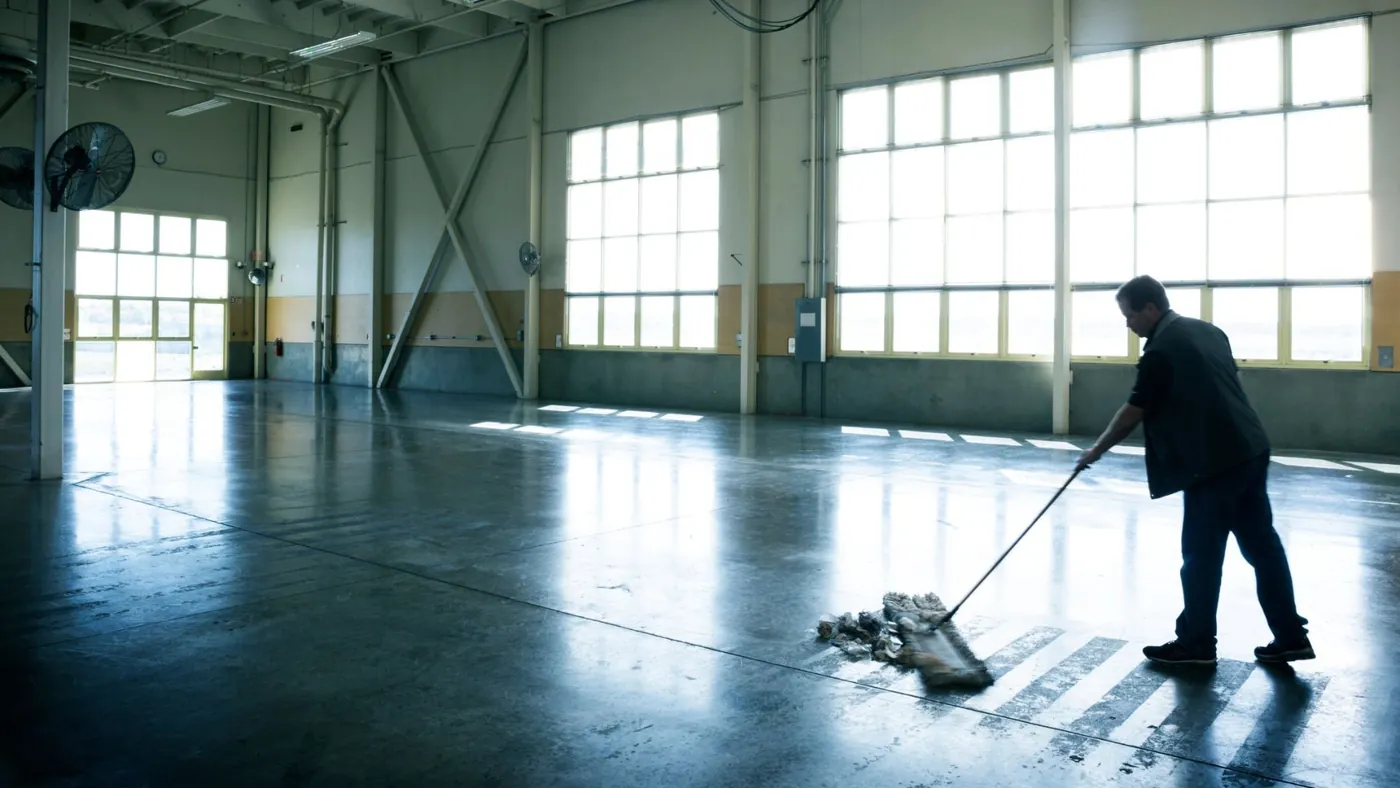
A warehouse, a GP surgery and a small office will each carry a very different profile of hazards, from working at height to infection control to simple trip hazards around cabling and storage. Following a recognised approach, such as the
five steps to risk assessment, helps ensure a proper assessment is built around a walk through of the actual site rather than adapted from a generic, copied template.
Legal Requirements For Cleaning Contractors
Under the
Management of Health and Safety at Work Regulations 1999, employers have a duty to assess risks to their staff and to anyone else who might be affected by their work. For a cleaning contractor, this means documented risk assessment covering every site they work on, reviewed regularly and updated whenever conditions change.
This obligation sits with the cleaning contractor as an employer, but the client commissioning the work carries a related interest, since a poorly managed contractor working on their premises can still create liability for the site owner if an incident occurs. Asking to see current documentation before signing a contract is a reasonable and increasingly common step for businesses to take.
What COSHH Risk Assessments Cover
Where cleaning involves hazardous substances, a
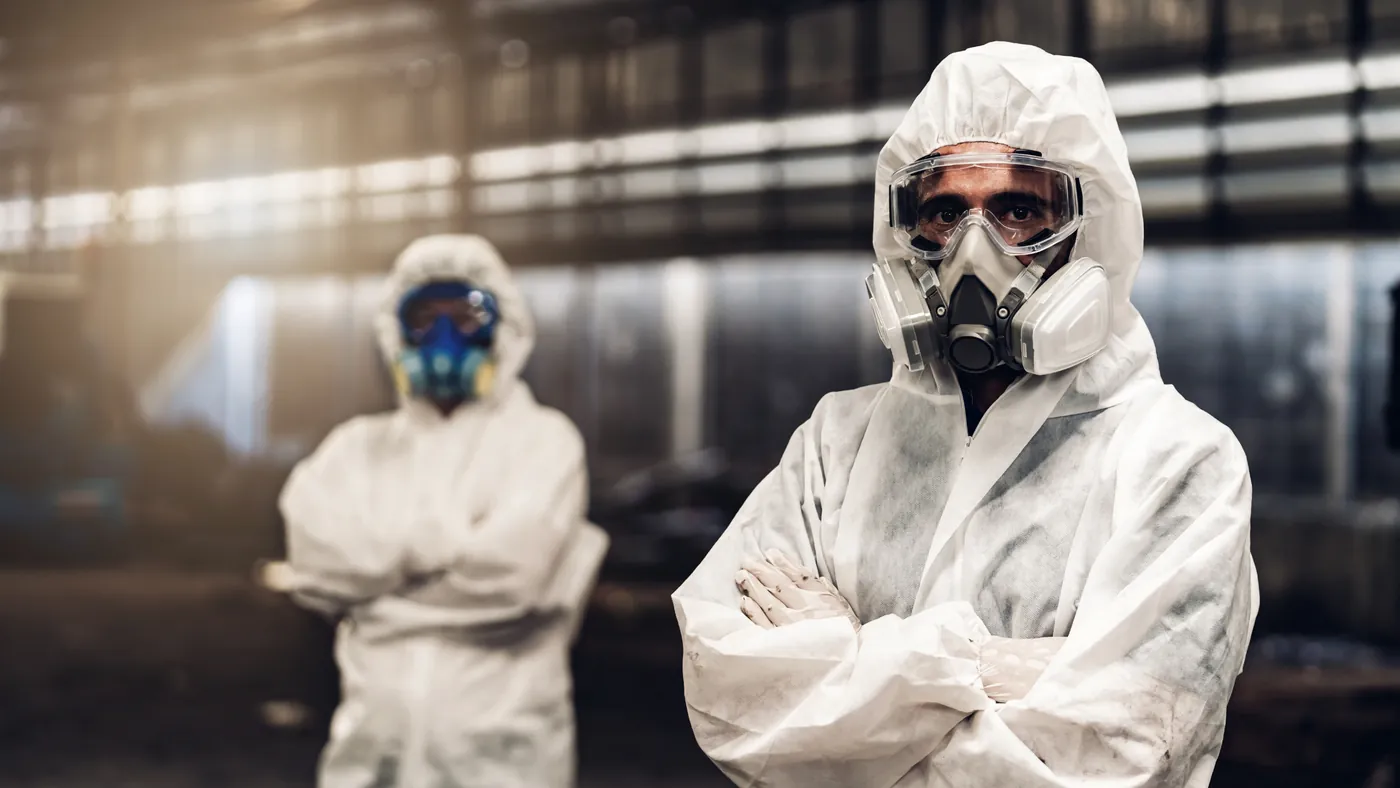
COSHH risk assessment sits alongside the wider assessment and covers how chemicals are stored, diluted, applied and disposed of safely. This includes staff training on correct handling and the protective equipment required for specific tasks.
What Method Statements Should Include
A method statement works alongside a cleaning risk assessment to set out exactly how a task will be carried out safely, step by step. This typically covers the equipment and products to be used, the sequence of work, and any specific precautions required for that particular site or task.
Method statements are particularly useful for higher risk tasks, such as working at height to clean windows or light fittings, or using specialist floor cleaning machinery. Having this written down in advance also means new staff joining a contract can follow an established, agreed process rather than relying on informal handover from a colleague.
A well written method statement also protects the contractor should an incident ever occur, since it demonstrates that a safe system of work was defined and communicated in advance, rather than left to individual judgement on the day. This is a detail that matters both to insurers and to clients carrying out their own due diligence on a supplier.
How Hashtag Clean Manages RAMS Digitally
Hashtag Clean maintains risk assessment and method statement documentation digitally for every
commercial cleaning and
office cleaning client site, making it straightforward to share current documentation with facilities managers or during a client audit, in line with expectations set by the
Health and Safety Executive.
Keeping this documentation digital rather than on paper also makes it far easier to update quickly whenever a site changes, and to demonstrate to a client exactly when a cleaning risk assessment was last reviewed, rather than relying on a filed paper copy that may not reflect the current state of a contract.
Frequently Asked Questions
Is A Cleaning Risk Assessment A Legal Requirement?
Yes, UK health and safety law requires employers to assess risks associated with the work they carry out, which for a cleaning contractor means a documented risk assessment for every site.
How Often Should A Cleaning Risk Assessment Be Reviewed?
It should be reviewed regularly and updated whenever there is a meaningful change to the site, the products used or the tasks being carried out.
What Is The Difference Between A Risk Assessment And A Method Statement?
A risk assessment identifies hazards and control measures, while a method statement sets out the step by step process for carrying out a specific task safely.
Can A Client Ask To See A Contractor's Cleaning Risk Assessment?
Yes, clients are entitled to request current risk assessment and method statement documentation from any contractor working on their premises.
Does A Cleaning Risk Assessment Cover Chemical Hazards?
Yes, where hazardous substances are involved, a COSHH risk assessment sits alongside the general assessment to cover safe storage, use and disposal.
A properly maintained cleaning risk assessment protects everyone who shares a building with a cleaning team. If you would like to review the documentation in place for your premises,
get in touch with Hashtag Clean, or explore our
specialist cleaning services and
blog.