Specialist cleaning services exist for situations that fall outside the scope of a standard commercial or office clean. These are jobs that require specific training, equipment or safety procedures, and knowing when to call in a specialist rather than relying on a general cleaning team can make a real difference to both safety and outcome.
What Separates Specialist Cleaning From Standard Cleaning
Standard commercial cleaning covers the regular upkeep of an occupied space, floors, surfaces, washrooms and general tidiness. Specialist cleaning services step in when a situation involves biological risk, hazardous materials, extreme neglect or a property that has been left vacant for an extended period. These jobs typically need trained operatives, personal protective equipment and disposal procedures that go beyond a routine clean.
The distinction matters because a general cleaning team, however experienced with day to day tasks, may not carry the training, equipment or waste disposal arrangements a specialist job requires. Attempting to treat a specialist situation as a standard clean can leave hazards unresolved and, in some cases, expose staff or occupants to unnecessary risk.
Types Of Specialist Cleaning
Specialist cleaning covers a wide range of scenarios. This includes biohazard and needle sweep work, mould and damp remediation, void or empty property cleaning, and hoarding clearance. Each of these requires a different approach, but all share the same need for trained staff who understand the specific risks involved and how to manage them safely.
Biohazard And Clinical Scenarios
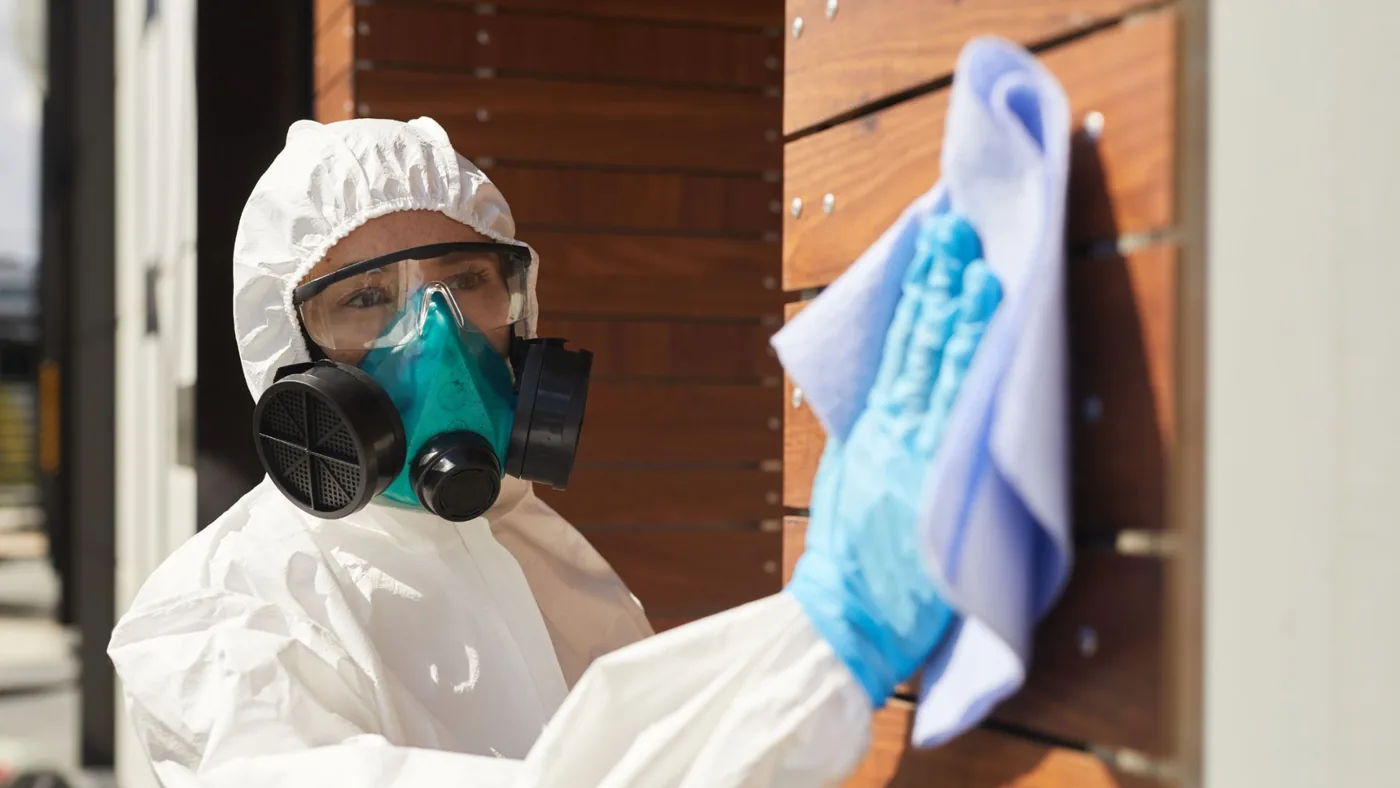
Some specialist cleaning work involves genuine biological risk, such as needle sweeps or cleaning following an incident involving bodily fluids. These jobs require operatives trained in safe handling and disposal of hazardous waste, along with the correct protective equipment and cleaning products rated for the risk involved.
Handling of hazardous substances during this work is governed by
COSHH regulations, which set out the controls a provider must have in place.
Property Related Specialist Cleaning
Not every job in this category involves the same kind of risk. Void properties and hoarded homes often present physical and logistical challenges, while mould affected buildings carry their own biological risk, since mould spores can affect respiratory health and require the same careful handling as other biohazards. All of these require a different kind of specialist attention, often involving a structured clearance process, industrial equipment and a sensitivity to the circumstances involved, particularly in hoarding cases where the property owner may still be present.
These jobs also tend to involve more planning than a typical clean. A void property may need waste removal arranged before any cleaning can begin, while a hoarding case often benefits from a phased approach that respects the pace the occupant is comfortable with, rather than treating the property purely as a logistical problem to be resolved as quickly as possible.
Who Commissions Specialist Cleaning Services
Landlords, housing associations, letting agents, facilities managers and local authorities are among the most common clients for our
specialist cleaning services. These organisations typically encounter situations that fall well outside a standard commercial cleaning contract and need a provider who can respond quickly with the right training and equipment already in place.
What Accreditations To Look For
When choosing a provider for specialist cleaning services, it is worth checking for recognised health and safety accreditations, such as those referenced by the
Health and Safety Executive, and evidence of staff training in hazardous waste handling. Providers working towards recognised quality frameworks, including relevant
ISO standards, are generally better placed to manage risk consistently.
Regulators such as the
Care Quality Commission also expect providers working in or alongside healthcare and care settings to demonstrate this same level of competence.
Frequently Asked Questions
What Counts As Specialist Cleaning?
Specialist cleaning covers work that falls outside a standard commercial clean, including biohazard and needle sweep work, mould remediation, void property cleaning and hoarding clearance.
Do Specialist Cleaning Services Always Involve Biohazards?
No, some specialist work such as void property cleaning does not involve biological hazards, but other work such as mould remediation does, since mould spores present a genuine biological risk, and both still require trained staff and specific equipment.
Who Typically Needs Specialist Cleaning Services?
Landlords, housing associations, letting agents and facilities managers are among the most frequent clients, usually following a change of tenancy, an incident, or a property left vacant for some time.
Is Specialist Cleaning More Expensive Than Standard Cleaning?
Specialist work generally requires more time, training and equipment than a standard clean, so pricing reflects the complexity of each individual job rather than a fixed rate.
How Quickly Can Specialist Cleaning Services Be Arranged?
Response times depend on the nature of the job, but a provider experienced in specialist work should be able to assess a property and confirm a plan promptly, particularly for urgent situations such as needle sweeps.
Recognising when a job calls for specialist cleaning services rather than a standard clean protects both people and property. If you are dealing with a situation that needs specialist attention,
get in touch with Hashtag Clean, or read about our wider
commercial cleaning and
healthcare cleaning services on our
blog.