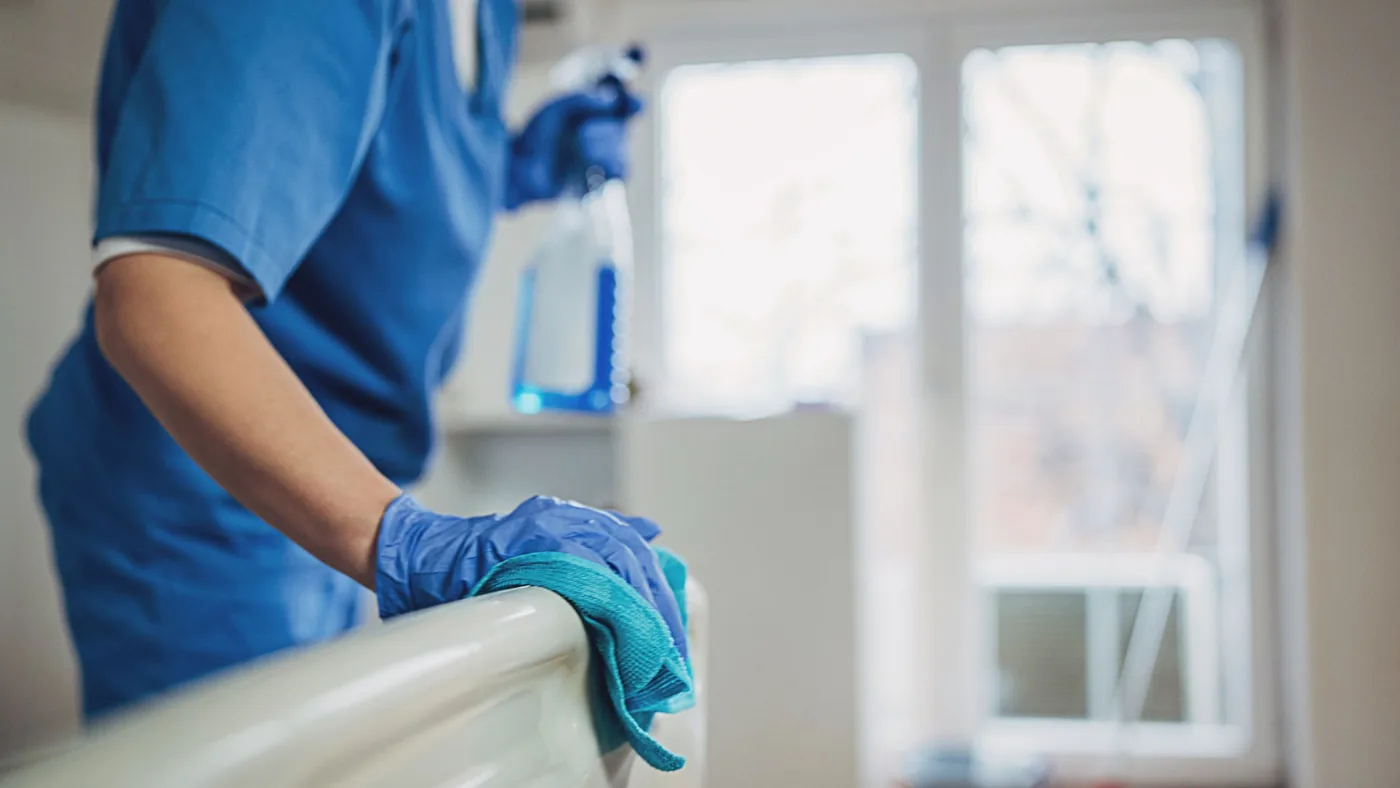
Healthcare cleaning standards UK regulators expect are considerably higher than those applied to a typical commercial premises, and for good reason. Surfaces in a healthcare setting can carry infection risk in a way that an office desk simply does not, which means the cleaning approach, products and verification methods all need to reflect that.
Healthcare Cleaning Standards UK And The CQC Framework
The
Care Quality Commission sets out expectations around cleanliness and infection prevention as part of its wider regulatory framework for healthcare providers. Meeting healthcare cleaning standards UK wide is not just good practice, it directly supports the evidence a healthcare provider needs to demonstrate during a CQC inspection.
These expectations sit alongside the
national standards of healthcare cleanliness published by NHS England, which set out cleaning frequencies and responsibilities across different types of healthcare environment, from GP surgeries to larger clinical settings.
For smaller practices without a dedicated facilities team, this framework can feel like a lot to interpret. In practice, the most useful approach is to work with a cleaning provider who already understands how these standards translate into a practical, day to day schedule, rather than trying to build that expertise in house from scratch.
EN Certified Sanitisers And Why They Matter
Not all disinfectant products carry the same proven effectiveness against bacteria, viruses and fungi. Products certified against relevant EN standards have been independently tested to confirm they perform as claimed, which is why healthcare cleaning contracts should specify EN certified products rather than leaving product choice to chance.
Different EN certifications relate to different pathogens, so the right product for a general waiting room may not be the right product for a treatment room where higher risk contamination is more likely. A provider working to healthcare cleaning standards UK regulators expect should be able to explain which certification applies to which area of a practice, and why.
Verifying Cleanliness Rather Than Assuming It
Visual inspection alone cannot confirm a surface is genuinely clean, since bacterial contamination is invisible to the eye. Many providers now use tools such as ATP testing to verify cleanliness objectively, giving practice managers a measurable result rather than a subjective judgement of how a room looks.
This kind of verification also creates a useful audit trail. Rather than relying on staff sign off sheets alone, a practice manager can point to measurable results demonstrating that cleaning standards are being consistently met across every area of the building, not just the areas most visible to patients.
COSHH Compliance In Healthcare Settings
Healthcare cleaning involves handling chemicals that carry their own risks if used incorrectly, which makes
COSHH compliance a core part of any healthcare cleaning contract. This covers correct storage, dilution, application and staff training around any hazardous substances used during cleaning.
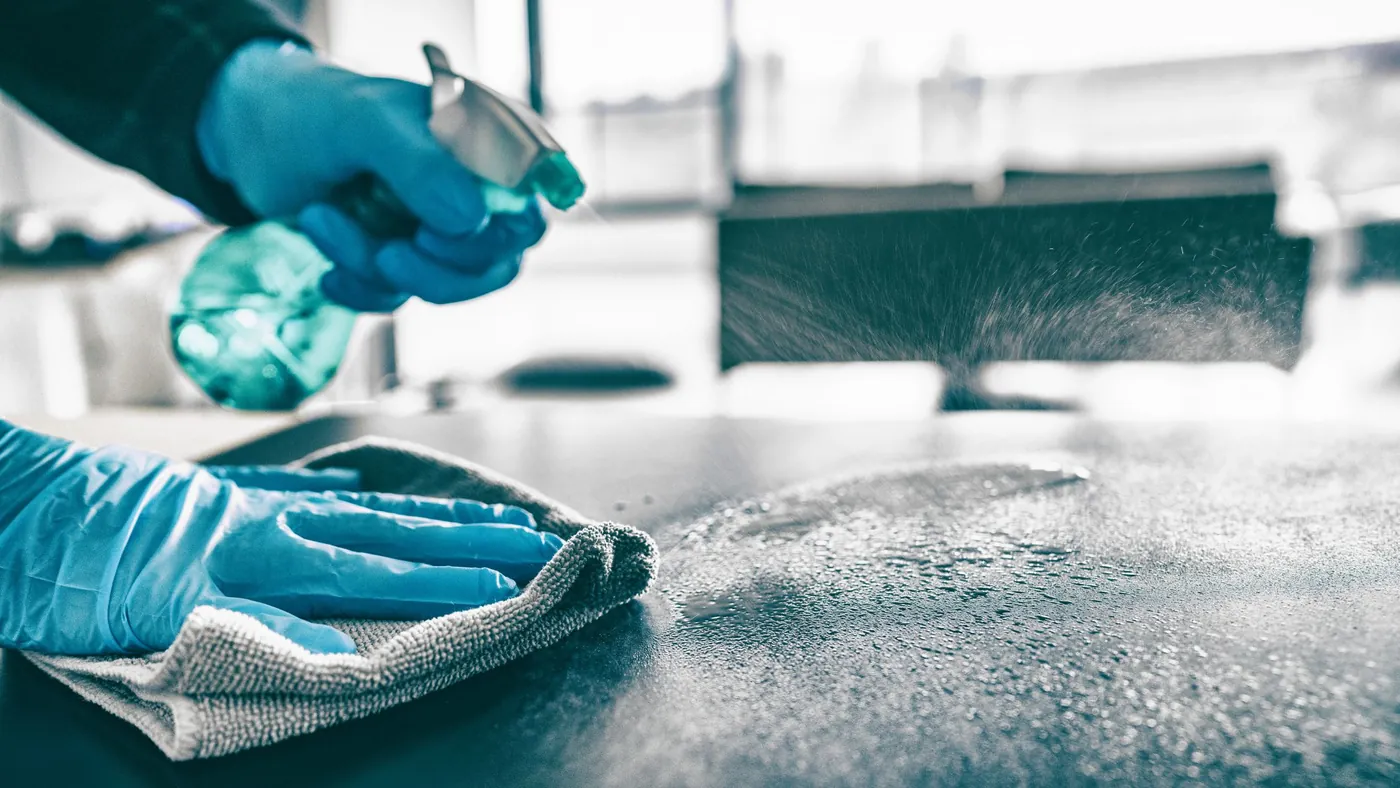
Staff working in a healthcare environment also need to understand contact times, meaning how long a disinfectant needs to remain on a surface to be effective. Wiping a product off too soon undermines the entire process, regardless of how well certified the product itself might be, which is why training is just as important as product selection.
What To Ask Your Healthcare Cleaning Provider
Before appointing a provider, healthcare facilities should ask how the contractor meets healthcare cleaning standards UK bodies expect, what products are used and whether they carry EN certification, and how the provider aligns with recognised frameworks such as
ISO quality standards. A provider confident in these answers is one worth working with.
It is also worth asking how a provider handles staff training and refresher sessions, since standards and product guidance do change over time. A contractor who treats training as an ongoing process, rather than a one off induction, is generally better placed to keep pace with updated healthcare cleaning standards UK regulators introduce as guidance evolves.
Frequently Asked Questions
What Are Healthcare Cleaning Standards UK Providers Must Meet?
Healthcare cleaning standards UK wide are shaped by CQC expectations around infection prevention, alongside product certification and staff training requirements that go beyond standard commercial cleaning.
What Does EN Certified Mean For A Cleaning Product?
It means the product has been independently tested against a recognised European standard for effectiveness against specific pathogens, giving healthcare providers confidence the product performs as claimed.
How Is Cleanliness Verified In A Healthcare Setting?
Many providers use ATP testing alongside visual inspection to confirm surfaces are genuinely clean, since bacterial contamination cannot be assessed by sight alone.
Does COSHH Apply To Healthcare Cleaning?
Yes, any cleaning that involves hazardous substances falls under COSHH regulations, covering correct storage, handling and staff training.
How Often Should Healthcare Cleaning Standards Be Reviewed?
Most healthcare providers review their cleaning arrangements at least annually, or sooner if CQC feedback or an internal audit highlights a gap.
Meeting healthcare cleaning standards UK regulators expect protects patients, staff and visitors alike. To discuss a healthcare cleaning contract for your practice or facility,
get in touch with Hashtag Clean, or read more on our
healthcare cleaning,
specialist cleaning and
commercial cleaning pages, or browse our
blog for further reading.