How often should you deep clean your office? The answer depends on more than looks. Footfall, industry type, office layout, and daily cleaning standards all affect how often an expert deep clean is needed.
Daily office cleaning keeps surface-level hygiene up. Periodic deep cleaning tackles hidden germs, ingrained dirt, and neglected areas that routine cleaning simply doesn't reach. Getting the frequency right guards staff wellbeing, improves look, and prevents long-term wear to fixtures and flooring.
What's the Difference Between Daily Cleaning and Deep Cleaning?
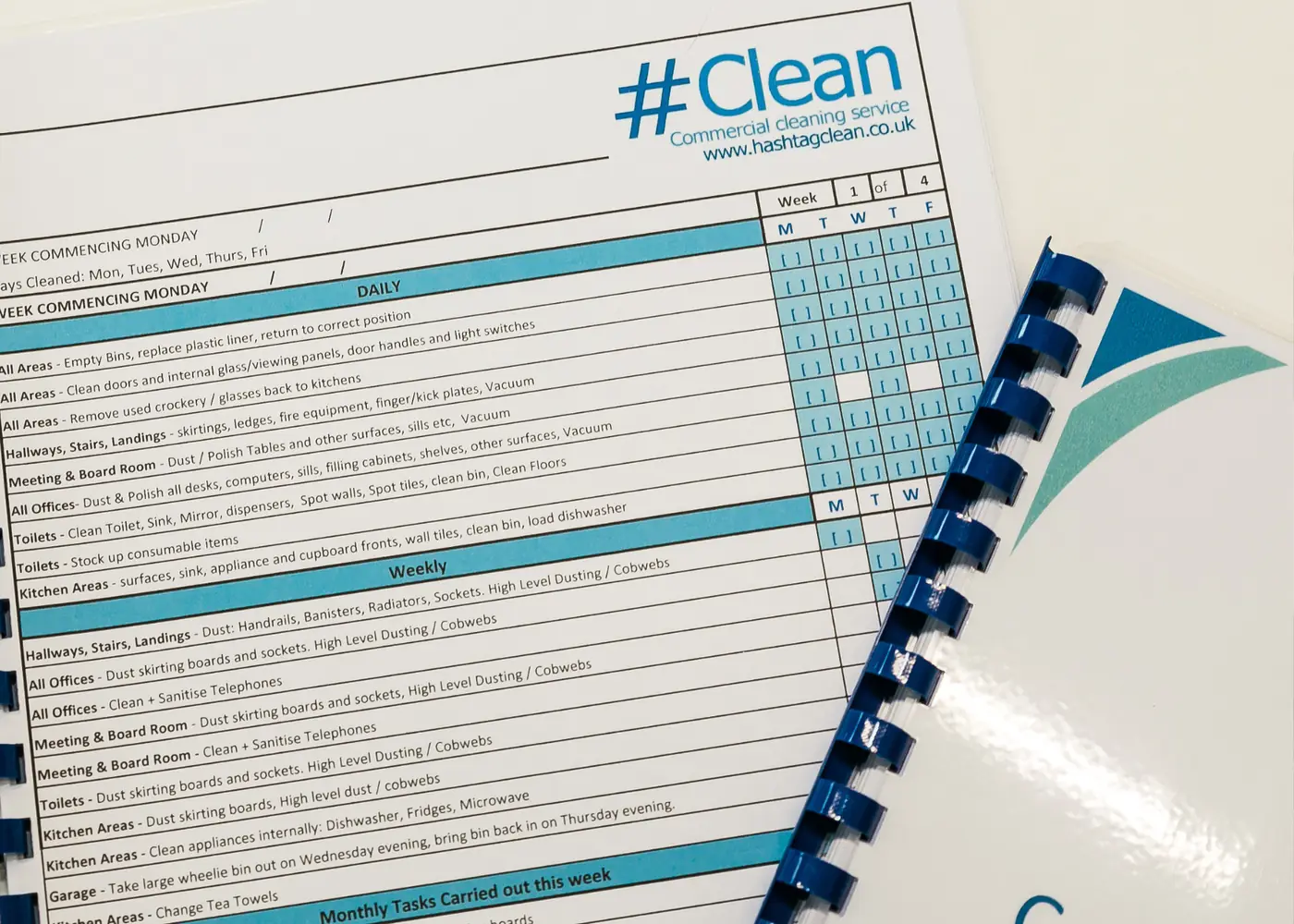
Daily cleaning focuses on visible and high-touch areas such as desks, washrooms, kitchens, and floors. It keeps the office tidy and cuts surface germs. A expert commercial deep cleaning service, however, goes much further. It covers carpets, upholstery, and internal glass. It also covers high-level surfaces, vent points, skirting boards, and hard-to-reach areas. It also includes intensive washroom descaling, floor machine scrubbing, and cleaning of neglected touch points. In short, daily cleaning keeps standards. Deep cleaning restores them.How Often Should You Deep Clean Your Office?
There is no single answer. But these tips apply to most offices:Small Offices (Low Footfall)
Offices with fewer than 15 staff and limited public access usually need an expert deep clean every 6 to 12 months, as long as daily cleaning stays steady.Medium Offices (Moderate Footfall)
For offices with 15–50 employees or regular visitors, deep cleaning is usually recommended every 3 to 6 months. Shared kitchens, meeting rooms, and washrooms raise hygiene demands.Large Offices (High Footfall)
Larger workplaces, co-working spaces, and public-facing offices often benefit from a every 3 months deep cleaning service to keep up hygiene and look.Strict-rule or High-Risk Places
Medical sites, school settings, laboratories, and high-density workspaces may need deep cleaning every 1 to 3 months, depending on compliance rules. If you are unsure, an expert cleaning assessment can help find the right frequency for your building.Signs Your Office Needs a Deep Clean Sooner
Even with a set plan in place, some warning signs mean your office needs a deep clean sooner. Watch out for:- Persistent odours in carpets or soft furnishings, which often mean embedded dirt and germs that routine vacuuming won't remove
- Visible staining, dull flooring, or discolouration, which can signal a build-up of grime needing expert treatment
- Limescale, grease, or residue in washrooms and kitchens, pointing to areas that need intensive descaling and cleaning
- Dust building up on vents, high surfaces, or behind furniture, which shows hidden spaces are being neglected and can hurt indoor air quality
- A rise in staff illness or repeated complaints about hygiene, which can mean daily cleaning alone is no longer enough
What Does an Office Deep Cleaning Checklist Include?
A thorough office deep cleaning checklist should cover areas that daily cleaning does not fully address. Usually, this includes:- Carpet removal or deep vacuum treatment
- Upholstery cleaning
- Machine scrubbing and polishing of hard floors
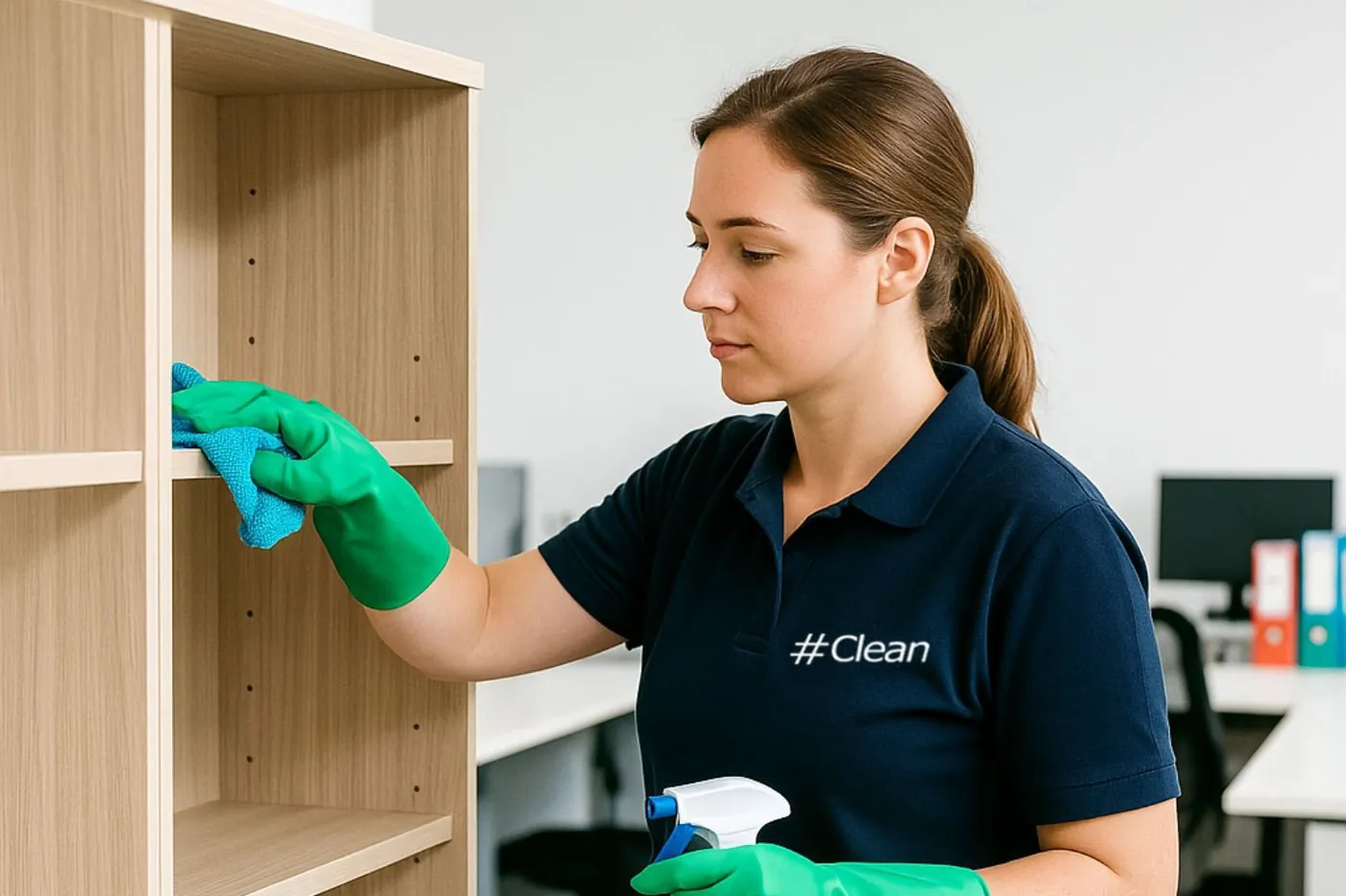
- High-level dusting (vents, pipework, light fittings)
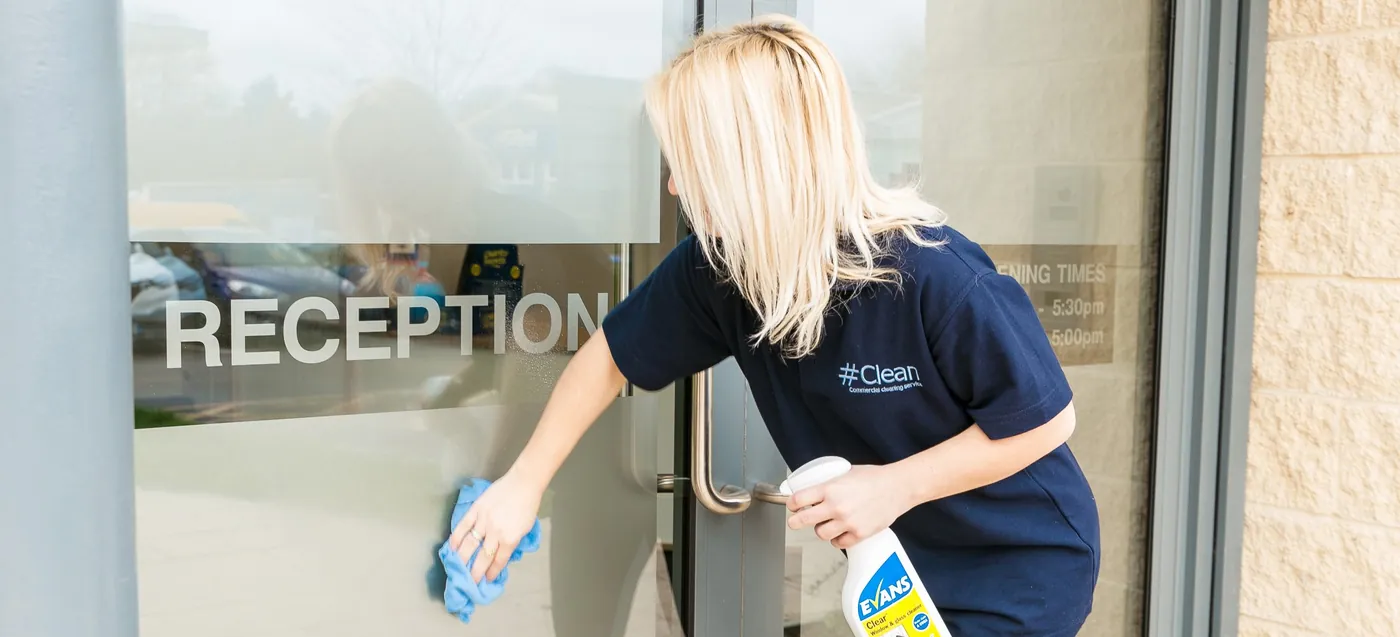
- Internal window and partition cleaning
- Detailed washroom descaling
- Cleaning behind and beneath furniture
- Cleaning of touch points across the building
How Industry Type Affects Deep Cleaning Frequency
Different trades have different hygiene needs. Corporate offices may focus on look and client view. Industrial or warehouse offices need more strong floor and dust management. School settings face higher bacterial transfer due to student contact. Healthcare places demand strict infection control. For example, businesses needing a deep clean in Brighton or other busy town centres often see higher footfall. They may need more frequent services than countryside office locations.The Benefits of Regular Commercial Deep Cleaning
Scheduling regular commercial deep cleaning brings several benefits:- Improved employee wellbeing
- Less time off sick
- Longer lifespan of carpets and furnishings
- Better indoor air quality
- Stronger first impressions for clients
- Compliance support for strict-rule sectors
Should Deep Cleaning Be Done In-House?
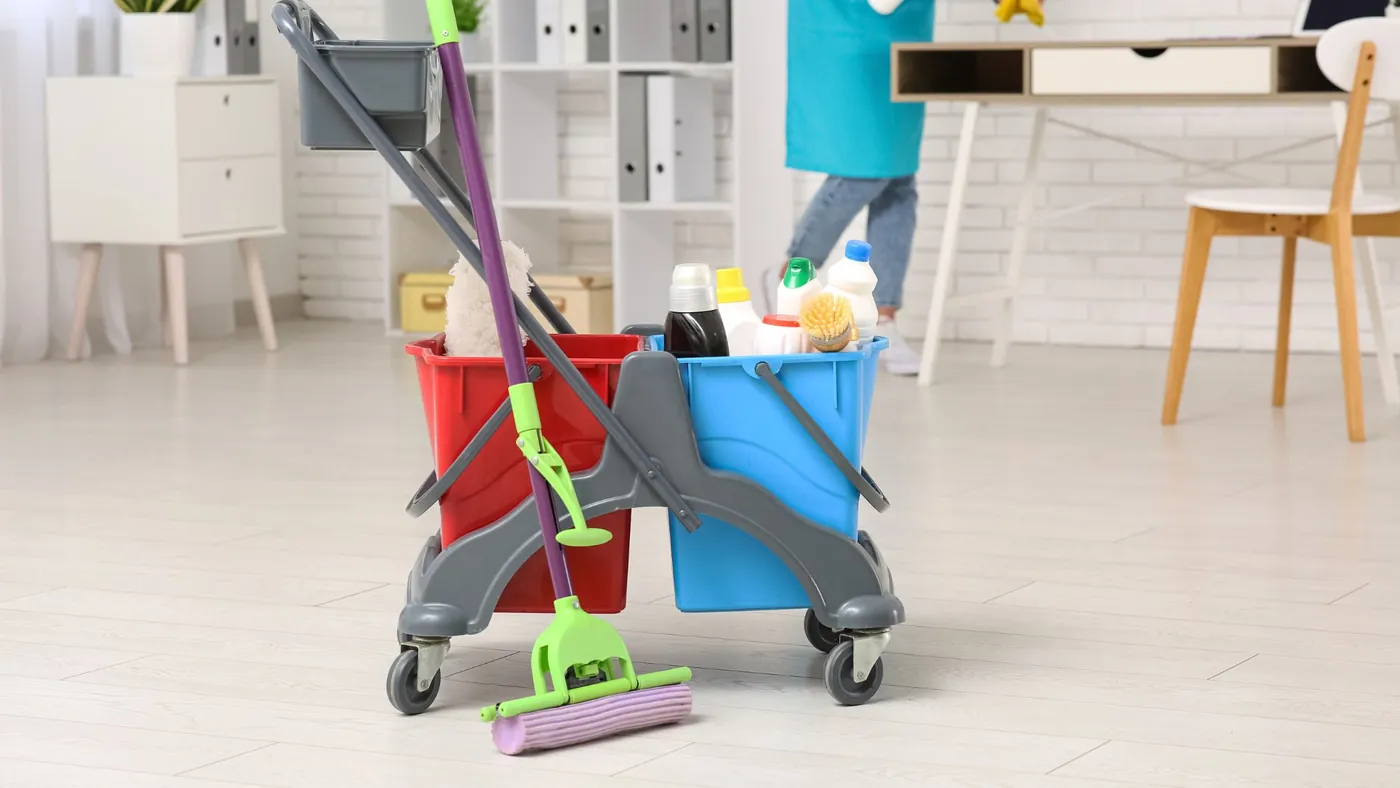
Staff can handle some minor deep cleaning tasks. But expert kit and training are often needed for safe, good results. Carpet removal machines, floor scrubbers, and expert chemicals must be used correctly to avoid damage. An expert deep cleaning service gives trained workers, commercial-grade equipment, and structured reporting. This meets standards without disrupting business work.Creating a Deep Cleaning Plan for Your Office
To build an good plan:- Assess office size and footfall.
- Review current daily cleaning standards.
- Identify high-risk or high-use areas.
- Set a every 3 months, twice a year or annual deep cleaning schedule.
- Monitor results and adjust frequency if needed.