Back To Blog
Commercial Cleaning
What Does Eco-Friendly Commercial Cleaning Actually Mean?
23 July 2026 Rickus.Jansen
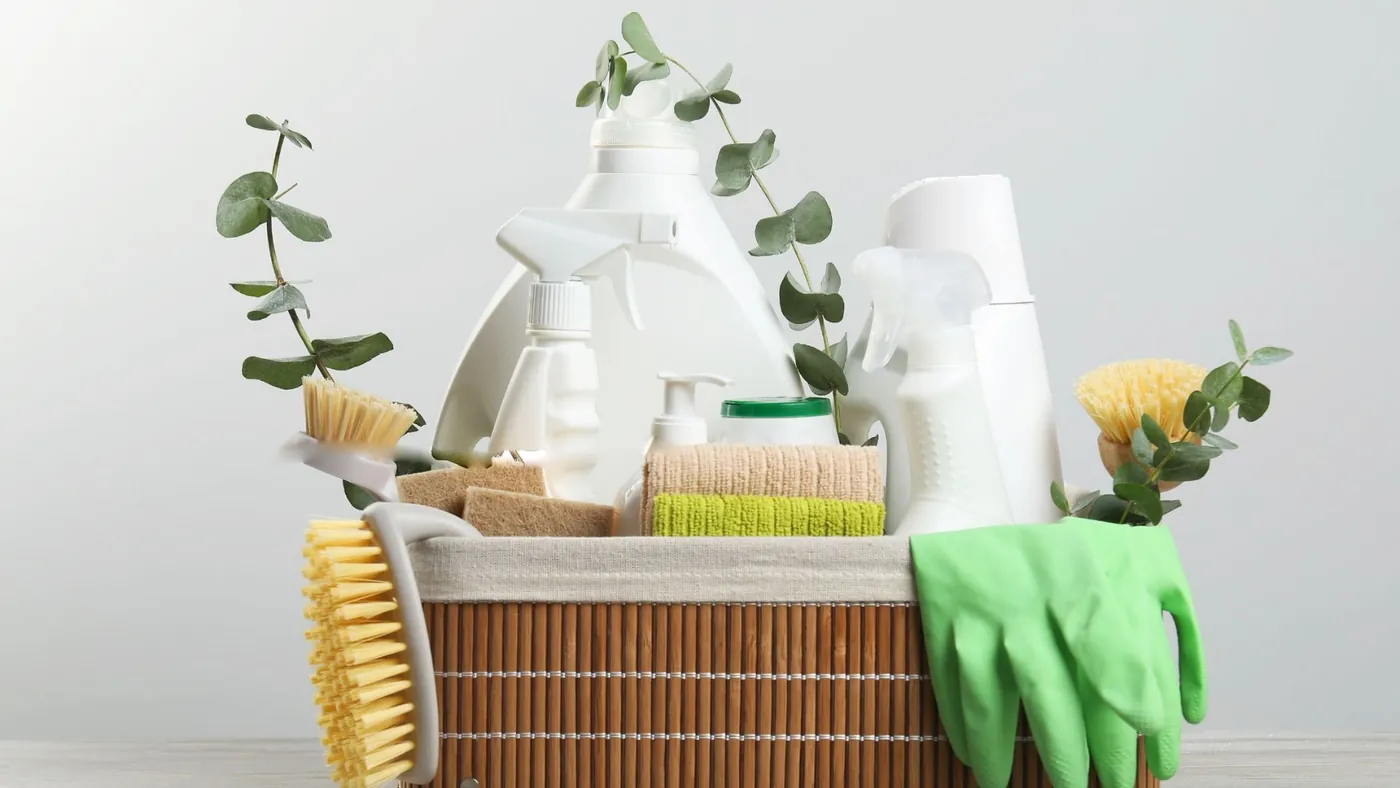
Eco-friendly commercial cleaning is a hot topic in UK facilities management. It is also widely misunderstood. Businesses face growing pressure to show they care about the environment. Many cleaning firms have been quick to adopt green language. But what does eco-friendly cleaning actually involve? How do you spot a real commitment versus a marketing claim?
This guide breaks down what eco-friendly cleaning really means. It covers the certifications and practices to look for. It also shows how to balance green credentials with the results your site needs.
The Rise of Green Cleaning Claims
Sustainability is now a real business priority across every sector. Clients expect firms to act responsibly. Cleaning contracts are no exception. But words like "green", "eco", and "sustainable" are not regulated. Any cleaning firm can use them without meeting a set standard. Genuine eco-friendly cleaning goes beyond a product with a green label. It covers the whole operation: product formula, packaging, correct dosing, water use, waste management, and carbon footprint.What Eco-Friendly Cleaning Products Actually Are
The most visible part of eco-friendly cleaning is the products used. Greener products tend to share these features:- Biodegradable formulas — Active ingredients break down naturally. No toxic residue is left behind.
- Phosphate-free — Phosphates can harm rivers and lakes by causing algae overgrowth. Phosphate-free products cut this risk sharply.
- Concentrated formats — These cut packaging waste and transport emissions for the same cleaning power.
- Plant-derived surfactants — Surfactants (the ingredients that lift dirt) made from plants are greener than those made from oil.
- Minimal or recyclable packaging — Refillable containers and recyclable packaging cut the amount of plastic waste produced.
Green Certifications to Look For
Credible eco-friendly cleaning companies can point to recognised third-party certifications for the products they use. Key ones to look for include:- EU Ecolabel — The EU's official green label. It goes to products that meet strict rules across their full lifecycle.
- Nordic Swan Ecolabel — A well-known Scandinavian standard with strict rules for cleaning products.
- ISO 14001 — An international standard for environmental management systems. It shows a firm has a set system for cutting its environmental impact.
What Sustainable Cleaning Operations Look Like
True eco-friendly cleaning goes well beyond the products in the bottle. A truly sustainable cleaning operation will also show:- Dosing discipline — Using the right amount of product each time. Over-dosing wastes money and leaves needless residue.
- Water efficiency — Microfibre systems cut water use sharply compared to mop-and-bucket methods. They also clean better.
- Waste segregation — Sorting waste into the right streams, and safely disposing of chemical containers and PPE.
- Low-emission operations — Planning routes to cut mileage, and moving to electric or hybrid vehicles where possible.
- Reusable equipment — Microfibre cloths and mop heads that get washed and reused, not thrown away after one use.